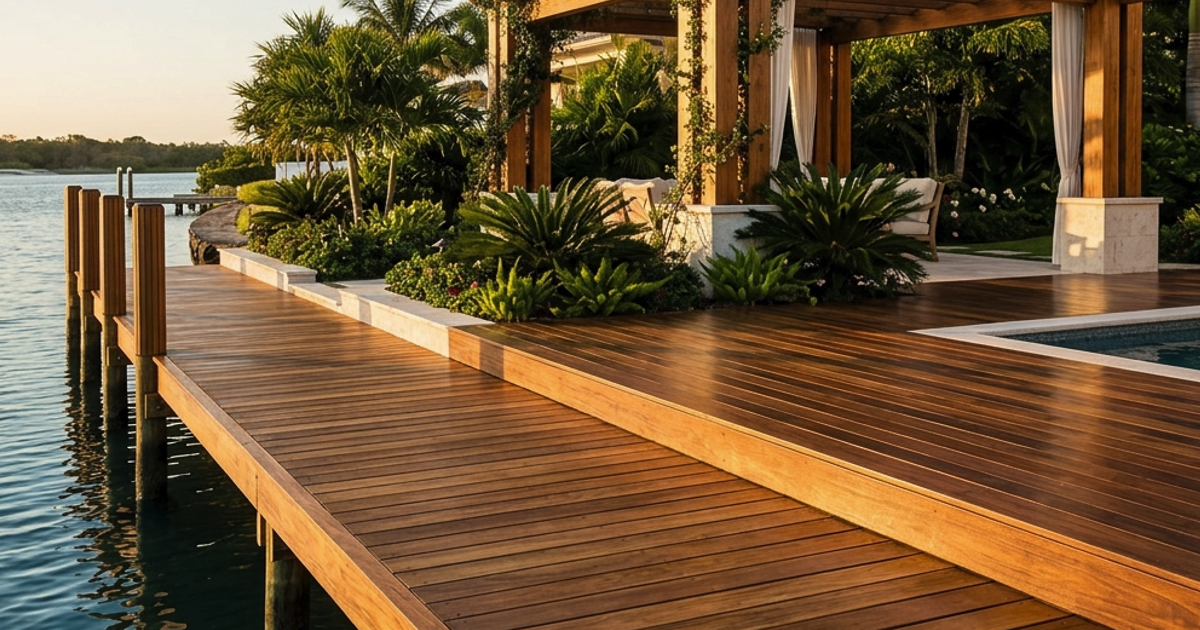




Natural stone is one of the most breathtaking and enduring materials you can incorporate into your home or commercial property. Whether it's travertine pool decks, slate walkways, bluestone patios, limestone columns, or granite countertops, the visual depth and character of natural stone is simply unmatched. But here's what too many property owners discover the hard way: natural stone is far more porous and vulnerable than it looks. Without the right sealer applied correctly, that million-year-old beauty can deteriorate in just a few seasons.
At INSECO, we've spent nearly three decades helping homeowners and commercial contractors protect premium surfaces with precision and confidence. Natural stone sealing is one of the most nuanced areas in specialty coatings, and getting it right requires understanding both the material and the product. This post breaks it all down with the pro-level tips that separate mediocre results from surfaces that stay protected and beautiful for years.
Why Natural Stone Demands Specialized Sealing Attention
The first mistake most people make is assuming all hard surfaces are essentially the same. They're not. Natural stone is a highly porous, mineralogically complex material that reacts differently to moisture, chemicals, UV exposure, and even cleaning products depending on its specific composition. Travertine has open voids that act as moisture traps. Slate can delaminate when freeze-thaw cycles push water into its natural layers. Sandstone is so absorbent it can wick up staining contaminants like a sponge. Each stone type requires a sealing strategy tailored to its specific characteristics.
Understanding Porosity Is the Starting Point
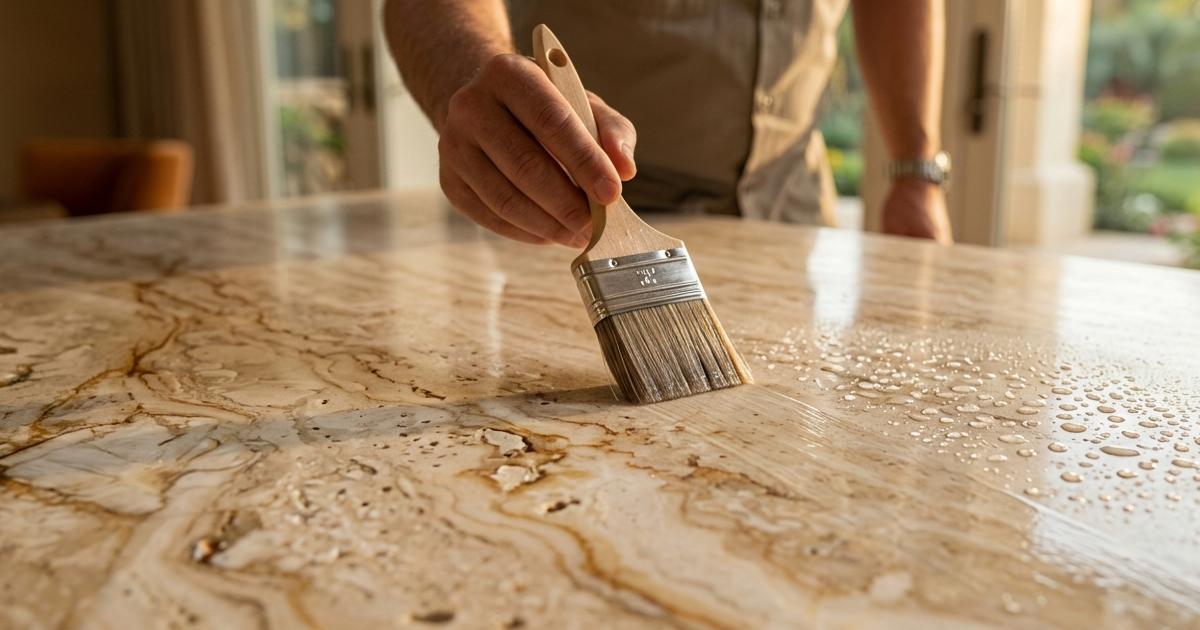
Before you even open a can of sealer, you need to assess your stone's porosity. The simple water drop test is your best field diagnostic. Place a few drops of water on the clean, dry surface and observe how quickly it absorbs. If the water beads and sits on the surface for two minutes or more, the stone has low porosity or may already be sealed. If it absorbs within 30 seconds or less, the stone is highly porous and urgently needs sealing. This single test tells you how much sealer your stone will require and how frequently it will need reapplication.
Different Stone Types Require Different Sealer Chemistries
Not all sealers are formulated equally, and using the wrong product on a particular stone type can cause discoloration, surface hazing, or premature sealer failure. Penetrating impregnating sealers work by absorbing into the pore structure of the stone and curing below the surface, allowing the stone to breathe while blocking liquid and contaminant intrusion. Film-forming sealers, on the other hand, create a protective layer on the surface and are better suited to certain applications where surface sheen or enhanced color is desired. Always match the sealer chemistry to both the stone type and the intended use of the surface.
Pro Tips for Proper Natural Stone Surface Preparation
Surface preparation is the single most important variable in any coating project, and this is especially true with natural stone. The natural texture, porosity, and sensitivity of stone surfaces mean that cutting corners on prep leads directly to sealer failure, uneven penetration, and wasted product. INSECO's technical team consistently emphasizes that a well-prepped surface will outperform a poorly prepped one regardless of which premium sealer is applied.
Cleaning Before Sealing Is Non-Negotiable
Natural stone must be thoroughly cleaned before any sealer is applied. Dirt, oils, biological growth like algae and mold, efflorescence, and previous sealer residue will all interfere with proper sealer penetration and adhesion. Use a pH-neutral stone cleaner specifically formulated for natural stone. Avoid acidic cleaners like vinegar or citrus-based products on limestone, travertine, or marble, as these will etch the calcium carbonate in the stone and cause irreversible surface damage. For outdoor stone with heavy biological growth, a professional-grade surface treatment followed by pressure washing at appropriate PSI levels is often the right approach.
Moisture Content Matters More Than You Think
One of the most overlooked pro tips in natural stone sealing is monitoring moisture content before application. Sealing stone that contains residual moisture from recent rain, cleaning, or high groundwater contact is a recipe for sealer failure. The moisture becomes trapped beneath the sealer film or disrupts penetration, leading to cloudy appearances, bubbling, or complete delamination over time. Allow thoroughly cleaned stone surfaces to dry for a minimum of 24 to 48 hours under normal conditions. In humid climates or during cooler months, extend that window. When in doubt, use a moisture meter to verify dryness before proceeding.
Key Pre-Sealing Checklist for Natural Stone
- Perform the water drop absorption test to assess current porosity and existing sealer condition
- Remove all existing failed sealers using the appropriate chemical stripper for your stone type
- Clean the entire surface with a pH-neutral stone-safe cleaner and rinse thoroughly
- Address any efflorescence using a dedicated efflorescence remover before sealing
- Allow a minimum 24 to 48 hours of drying time after cleaning before sealer application
- Check ambient temperature and ensure it falls within the sealer manufacturer's recommended application range
- Inspect for cracks, voids, or spalling that should be addressed before sealing
- Test the chosen sealer on a small inconspicuous area to verify compatibility and final appearance
Application Techniques That Separate Good Results from Great Ones
Even with the right product and a properly prepped surface, application technique significantly influences the final result. Natural stone sealing is not a paint-and-forget process. The way you apply the sealer determines how evenly it penetrates, how much protection it delivers, and how consistent the final appearance will be across the entire surface.
Work in Manageable Sections
One of the most practical pro tips for sealing large natural stone surfaces like pool decks, patios, or plaza floors is to work in clearly defined sections rather than attempting to cover the entire surface in one continuous pass. Penetrating sealers begin working immediately upon contact, and if you apply too large an area at once, the sealer will begin curing before you can spread excess product evenly. Work in sections of roughly 100 to 200 square feet depending on the stone's porosity and ambient temperature. This keeps you ahead of the drying front and ensures uniform penetration throughout.
Two Thin Coats Beat One Heavy Coat Every Time
This is one of the most consistently validated principles in the specialty coatings world. Applying a single heavy coat of sealer on natural stone almost always results in surface pooling, uneven sheen, and a sticky or streaky finish once cured. Two thinner coats, with the second applied while the first is still in its tacky window, produces dramatically better penetration depth, more even coverage, and superior long-term protection. Follow the sealer manufacturer's specific guidance on recoat windows, but as a general rule, applying the second coat within 20 to 45 minutes of the first on most penetrating sealers yields the best results.
Don't Let Puddles Sit on the Surface
With highly porous stone, excess sealer that isn't fully absorbed within the manufacturer's specified timeframe must be wiped away before it cures on the surface. Allowing pooled sealer to dry on top of a porous stone creates a surface film that appears hazy, streaky, or blotchy and is extremely difficult to remove without aggressive stripping. Keep a clean microfiber cloth or applicator pad on hand to back-buff any areas where sealer is accumulating rather than absorbing. This is especially important with travertine, sandstone, and other high-porosity stone types.
Maintenance Intervals and Long-Term Protection
Even the best specialty sealer is not a permanent solution. Natural stone surfaces are subjected to ongoing weathering, UV exposure, foot traffic, freeze-thaw cycling, and chemical contact from cleaning products and environmental pollutants. Understanding the expected service life of your sealer and monitoring for signs of re-sealing need is essential to maintaining continuous protection.
For most exterior natural stone applications, a quality penetrating sealer will provide meaningful protection for two to five years depending on the stone type, traffic level, and climate exposure. High-traffic commercial applications such as hotel entries, restaurant patios, and retail plazas should be evaluated annually. Residential applications in moderate climates with minimal traffic can often go three to four years between applications.
The most reliable indicator that it's time to reseal is the water absorption test performed during your original assessment. When water begins absorbing into the stone within 30 to 60 seconds rather than beading on the surface, the sealer has depleted enough to warrant reapplication. Regular cleaning with pH-neutral products between sealing cycles will extend sealer life and keep the surface looking its best.
At INSECO, we believe that protecting natural stone isn't just about preserving a material investment. It's about honoring the natural beauty of a surface that simply cannot be replicated. With the right specialty sealer, the right preparation, and the right application technique, your natural stone surfaces can remain as striking and structurally sound as the day they were installed. For technical guidance on product selection for your specific stone type or project scope, reach out to the INSECO team directly. We've been solving surface protection challenges since 1996, and we're ready to help you get it right.