


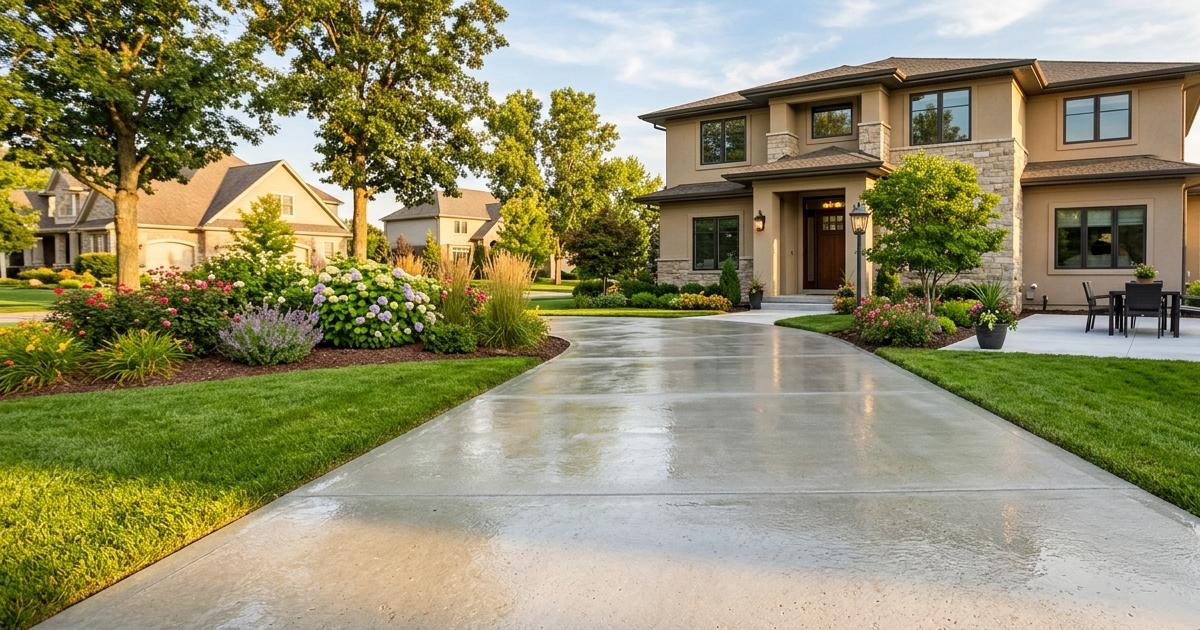

Your concrete driveway and patio take a beating every single day. Between vehicle traffic, foot traffic, freeze-thaw cycles, UV exposure, oil spills, and moisture infiltration, untreated concrete deteriorates far faster than most homeowners and commercial property managers realize. The good news is that properly sealed concrete can last significantly longer, look dramatically better, and require far less ongoing maintenance. At INSECO, we have spent decades helping both homeowners and commercial contractors understand that the difference between concrete that crumbles in ten years and concrete that holds strong for decades often comes down to one thing: the quality and consistency of your sealing program.
This guide is built around pro-level thinking. Whether you are sealing a residential patio for the first time or you manage a portfolio of commercial properties with thousands of square feet of concrete flatwork, these tips will help you get measurably better results every time you apply a sealer.
Why Concrete Needs to Be Sealed in the First Place
Concrete is a porous material by nature. It looks solid and impenetrable, but at a microscopic level it is riddled with capillaries and voids that readily absorb water, oils, salts, and contaminants. When water enters those pores and freezes, it expands and causes cracking. When oil penetrates the surface, it weakens the concrete matrix and creates unsightly staining. When de-icing salts are used in winter, they accelerate deterioration at a chemical level. None of this is inevitable. It is simply what happens to concrete that has not been properly protected.
A quality concrete sealer works by either penetrating into those pores and chemically bonding to the substrate or by forming a protective film on the surface. Either approach significantly reduces water absorption, resists staining, and slows the natural aging process. The result is concrete that holds its structural integrity longer, looks cleaner with less effort, and ultimately saves property owners substantial money on repairs and replacement.
The Difference Between Penetrating Sealers and Topical Coatings
Understanding the distinction between these two product categories is essential before you ever open a container. Penetrating sealers, such as silane-siloxane formulations, absorb into the concrete and react chemically to repel water without changing the surface appearance. They are invisible once cured and are an excellent choice for surfaces where you want natural aesthetics with strong water and salt resistance. Topical coatings, on the other hand, form a film on the surface and can provide a glossy, semi-gloss, or matte finish. They offer excellent stain resistance and can dramatically enhance the appearance of the concrete. Both have a legitimate place in a comprehensive concrete protection strategy, and the right choice depends on your specific surface, environment, and goals.
Pro Tips for Preparing Concrete Before Sealing
No matter how advanced the sealer you choose, application over an improperly prepared surface will result in failure. This is one of the most universal truths in the coatings industry, and concrete is no exception. Surface preparation is where projects are won or lost, and cutting corners here is never worth it.
Start With a Thorough Cleaning
Before any sealer touches the concrete, the surface must be completely clean and free of all contaminants. For driveways, this typically means degreasing any oil or fuel stains using an appropriate chemical degreaser and then pressure washing the entire surface. For patios, you will need to remove algae, mold, mildew, and any organic debris that has accumulated in the pores. Allow the concrete to dry completely before proceeding. Applying sealer over a damp surface is one of the most common causes of adhesion failure, bubbling, and whitening.
Address Existing Cracks and Damage
Sealer is not a structural repair product. If you have significant cracks, spalling, or surface deterioration, those issues need to be addressed before sealing. Fill cracks with an appropriate concrete crack filler and allow it to cure fully. The sealer will then lock in those repairs and prevent moisture from re-entering those areas. Skipping this step means you are essentially sealing in a problem rather than solving it.
Test for Existing Sealers
If the concrete has been previously sealed, you need to determine whether the old sealer is still present and compatible with your new product. A simple water drop test can help. If water beads up, there is likely an existing sealer present. Depending on the condition and type of that existing sealer, you may need to strip it entirely before reapplication. Applying a new sealer over an incompatible old sealer is a recipe for delamination and product failure.
Pre-Sealing Checklist for Concrete
- Pressure wash the entire surface and allow to dry completely, typically 24 to 48 hours depending on conditions
- Degrease any oil stains with an appropriate concrete degreaser
- Fill all cracks and surface defects with a compatible concrete repair product
- Check for and remove any existing sealer if present and incompatible
- Ensure ambient and surface temperatures are within the product's recommended application range
- Check the weather forecast to confirm no rain within the required cure window
- Profile the surface if needed for topical coatings to ensure adequate adhesion
Pro Tips for Applying Concrete Sealer Like a Professional
Once your surface is properly prepared, the application itself requires attention to detail and a disciplined approach. Even a premium product can underperform if it is applied incorrectly. Here are the pro-level application tips that separate good results from great results.
Work in Sections and Maintain a Wet Edge
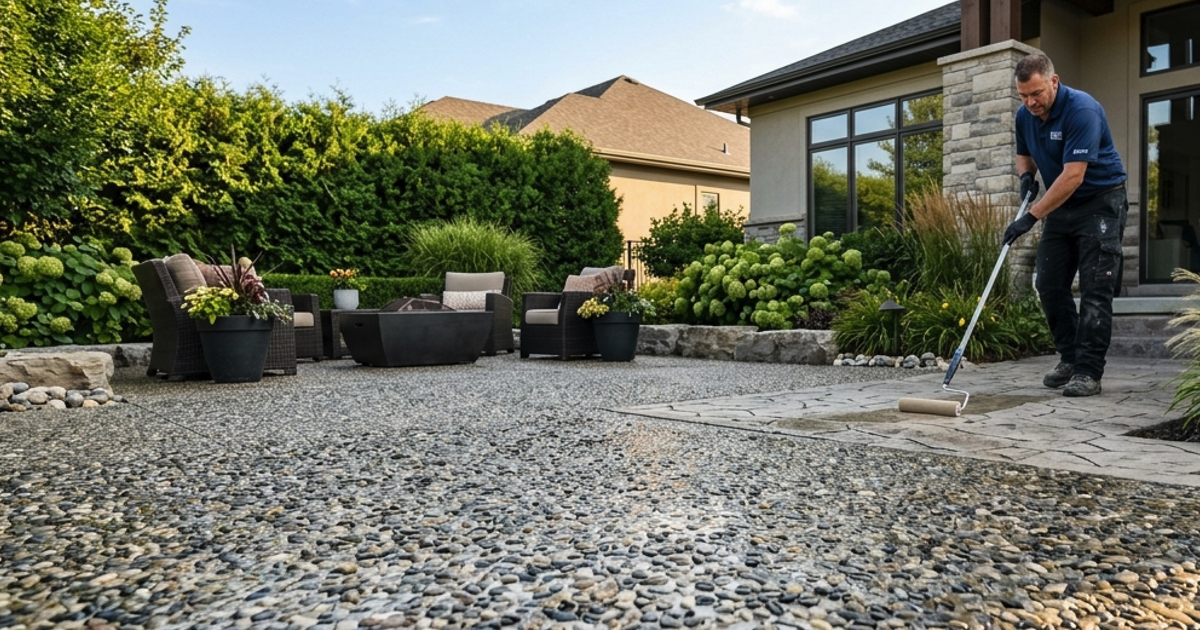
When applying a topical concrete sealer with a roller or squeegee, always work in manageable sections and keep a wet edge to avoid lap marks. Starting and stopping in the middle of a section is a common beginner mistake that leads to visible lines and inconsistent sheen. Plan your application pattern before you begin so that you move efficiently across the surface without doubling back unnecessarily.
Thin Coats Beat Thick Coats Every Time
This is one of the most important pro tips in all of coating application, and it is especially critical with concrete sealers. Applying too much product in a single pass traps solvents, creates bubbling, and leads to cloudy or white hazing in the finished surface. Always follow the manufacturer's recommended coverage rates. If multiple coats are required, allow adequate dry time between coats and apply each one at the correct thickness. Patience here pays enormous dividends in the final result.
Pay Attention to Temperature and Humidity
Concrete sealing is sensitive to environmental conditions in ways that many people underestimate. Most sealers should not be applied when surface or air temperatures are below 50 degrees Fahrenheit or above 90 degrees Fahrenheit. High humidity can interfere with curing and cause hazing in solvent-based products. Direct sunlight on hot concrete causes the sealer to dry too quickly, leading to poor penetration or uneven film formation. Early morning application is often ideal for outdoor concrete projects during warmer months.
Do Not Forget the Edges and Transitions
Edges along expansion joints, borders, and transitions to other surfaces are often where moisture finds its way in. Take extra care to seal these areas properly. A brush is often more effective than a roller for getting into tight transitions and ensuring complete coverage along edges. Missing these areas, even partially, creates a weak point in your protection system.
How Often Should You Reseal Concrete Driveways and Patios
The right resealing interval depends on the type of sealer used, the level of traffic the surface receives, and the severity of the local climate. As a general guideline, penetrating sealers on residential driveways and patios typically last three to five years before reapplication is needed. Topical coatings in high-traffic areas may require attention every two to three years. Commercial surfaces with heavy vehicle or foot traffic may need annual assessment and periodic reapplication of topical systems.
Rather than following a rigid calendar, learn to read the signs that your concrete is ready for resealing. If water no longer beads up on the surface after rain, if you notice staining is happening more easily, or if the surface has lost its sheen in areas, it is time to evaluate the condition of the sealer. Proactive maintenance is always more cost-effective than reactive repair.
The INSECO Approach to Concrete Surface Protection
At INSECO, our philosophy has always been that premium results require premium products applied with precision and knowledge. Our concrete coating formulations are engineered for real-world performance, not just laboratory benchmarks. We develop products that respond to the actual challenges contractors and property owners face in the field, and we back every product with comprehensive technical assistance to ensure you achieve the best possible outcome.
Whether you are protecting a residential patio against the freeze-thaw cycles of a northern winter or sealing a commercial concrete surface against the relentless UV exposure of a southern sun, INSECO has the product knowledge and formulation expertise to help you get it right the first time. Properly sealed concrete is an investment that pays for itself many times over in reduced maintenance costs, extended surface life, and preserved property value. Start with the right products, apply them with professional discipline, and your concrete surfaces will reward you with years of reliable, attractive performance.