




Wood is one of the most beautiful and versatile materials used in outdoor construction and design. From decks and fences to pergolas and siding, wood brings a natural warmth to any property. But that beauty comes with a vulnerability that every homeowner and contractor needs to understand: wood is highly susceptible to the forces of nature. Sun, rain, humidity, freezing temperatures, and ultraviolet radiation work constantly against unprotected wood surfaces, degrading them faster than most people realize.
Understanding exactly how environmental factors damage wood — and what you can do to stop it — is the first step toward protecting your investment and keeping surfaces looking their best for years to come.
The Silent Destroyer: How UV Radiation Breaks Down Wood
Ultraviolet radiation from the sun is arguably the most relentless threat to outdoor wood surfaces. What makes UV damage particularly insidious is that it happens gradually and invisibly until the effects become dramatic and difficult to reverse.
The Chemical Process Behind UV Degradation
Wood contains a natural polymer called lignin, which is responsible for giving wood its rigid structure and rich color. When UV rays penetrate the surface of unprotected wood, they break down the lignin molecules in a chemical process known as photodegradation. As lignin degrades, it releases water-soluble compounds that are washed away by rain, leaving behind a layer of loose, weakened wood fibers.
The visible result of this process is the familiar gray, weathered appearance that develops on unprotected decks and fences. While some homeowners find a silver-gray patina aesthetically appealing in certain contexts, what is actually happening beneath the surface is structural deterioration. Fibers become raised and brittle, the surface becomes rough and prone to splintering, and the wood's natural defenses against moisture and biological growth are significantly compromised.
Fading, Discoloration, and Color Loss
UV exposure also causes significant color change in wood stains and natural wood tones alike. Pigments and natural wood extractives that give species like cedar, redwood, and teak their rich, warm colors are broken down by prolonged sun exposure. This is why a beautifully stained deck can look washed out and dull within a single season if left unprotected by a quality UV-blocking sealer.
Moisture, Rain, and Freeze-Thaw Cycles: The Structural Threat
While UV radiation attacks the surface chemistry of wood, moisture works its damage from within. Water is wood's most persistent enemy, and it attacks through multiple pathways simultaneously.
How Water Penetrates and Expands Wood
Wood is a hygroscopic material, meaning it naturally absorbs and releases moisture from the surrounding environment. As humidity rises and falls with the seasons, wood expands and contracts. This constant movement creates stress within the wood fibers and causes cracking, warping, cupping, and checking — the small surface cracks that are early warning signs of moisture damage.
When water infiltrates these cracks and temperatures drop below freezing, the water expands as it turns to ice. This freeze-thaw cycle drives those cracks deeper and wider with each winter season, accelerating structural breakdown in a way that is cumulative and progressive. In climates with harsh winters, unprotected wood can deteriorate dramatically within just two or three seasons.
Mold, Mildew, and Biological Growth
Moisture also creates the ideal conditions for biological threats. Mold, mildew, algae, and wood-rotting fungi all thrive in wet, porous wood. These organisms not only create unsightly staining and discoloration, but certain wood-rot fungi actively digest the cellulose and lignin within the wood structure, causing genuine structural failure over time. Decks can become soft, spongy, and unsafe. Fence posts can rot at the base. Siding can develop hollow sections that provide no structural integrity.
The combination of UV damage and moisture infiltration creates a feedback loop: UV degrades the surface and opens up the grain, making it easier for moisture to penetrate deeper, which further compromises the wood and invites biological growth. Without intervention, this cycle accelerates rapidly.
Protecting Wood from the Elements: Choosing the Right Approach
The good news is that high-quality sealers and coatings can dramatically slow or prevent all of these forms of damage. The key is understanding what to look for in a protective coating and applying it correctly before significant deterioration begins.
UV Inhibitors and Stabilizers
Premium wood sealers like WOOD Rx from INSECO are formulated with UV inhibitors that absorb or reflect ultraviolet radiation before it can penetrate the wood surface. These inhibitors protect both the wood's natural lignin and any added pigments or stains from photodegradation. The result is a surface that retains its color and structural integrity far longer than untreated wood.
Water Repellency and Breathability
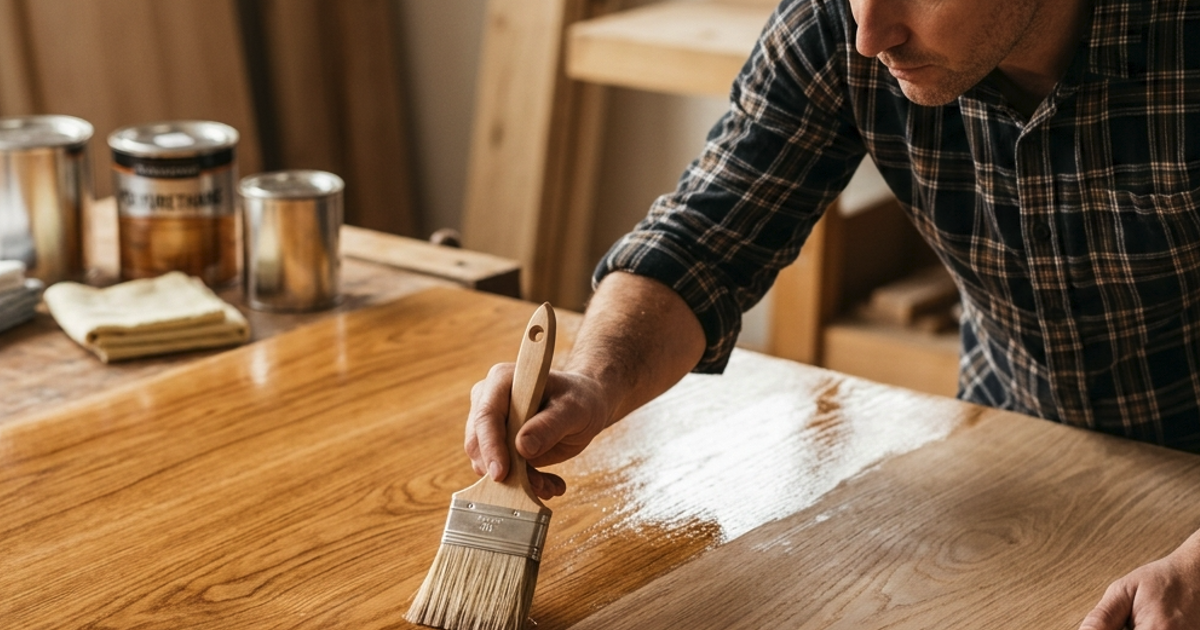
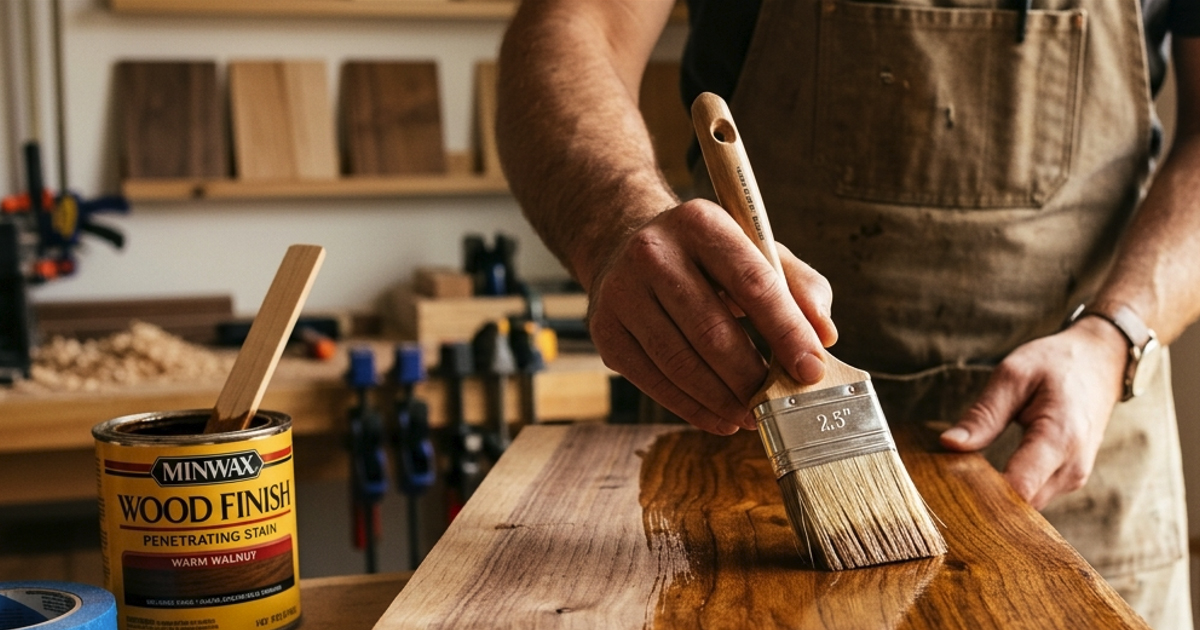
A great sealer does more than just sit on top of the wood — it penetrates into the wood fibers and creates a hydrophobic barrier that causes water to bead and roll off the surface rather than soaking in. Equally important, a quality penetrating sealer allows the wood to breathe, meaning trapped moisture vapor can still escape. Coatings that trap moisture inside wood can actually accelerate rot and delamination, which is why breathability is a critical characteristic in any premium sealer.
Mold and Mildew Resistance
The best specialty coatings also incorporate biocides and mildewcides that inhibit the growth of mold and mildew on the surface. This protection works in conjunction with water repellency — a dry surface is inherently less hospitable to biological growth — but the added chemical protection provides an extra layer of defense in humid or shaded environments where moisture persists.
Signs Your Wood Surface Is Already Experiencing Weather and UV Damage
Before applying any sealer or coating, it is important to assess the current condition of the wood. Catching damage early allows for simpler remediation, while waiting too long may mean more extensive preparation work or even structural repairs. Watch for these warning signs:
- Graying or silvering of the wood surface, indicating UV-driven lignin breakdown
- Raised grain and surface roughness that develops as degraded wood fibers loosen
- Cracking and checking, which are small surface or deeper structural cracks caused by moisture cycling
- Warping or cupping of boards, indicating uneven moisture absorption
- Black, green, or gray staining from mold, mildew, or algae growth
- Soft or spongy areas that may indicate early wood rot
- Water no longer beading on the surface, a sign that previous sealer protection has worn away
If your wood surface shows several of these signs, it is time to clean, prepare, and reseal promptly. Surfaces showing advanced checking or soft spots may require additional repairs before sealing.
The Cost of Waiting: Why Timely Protection Pays Off
One of the most common mistakes homeowners and property managers make is delaying sealer application or reapplication. The reasoning is often that the wood looks fine, or that sealing can wait until next season. In reality, every season of unprotected exposure accelerates the damage cycle and raises the cost of restoration.
A deck that might require only a thorough cleaning and a fresh application of WOOD Rx in year three of neglect might require sanding, board replacement, and extensive prep work by year five. In the worst cases, structural components like joists, posts, and ledger boards may be compromised — turning what should have been a simple maintenance task into a major renovation project.
When viewed against the cost of deck replacement, fence replacement, or siding replacement, the investment in a premium sealer and periodic reapplication is extraordinarily cost-effective. Protecting wood surfaces proactively is simply one of the smartest maintenance decisions a property owner can make.
Starting With the Right Product Makes All the Difference
Not all wood sealers are created equal. The market is full of low-cost options that offer minimal UV protection, poor water repellency, and short service lives that require frequent reapplication. At INSECO, we have spent more than 25 years refining our specialty coatings to deliver genuine, long-lasting protection against the full spectrum of environmental threats.
WOOD Rx is engineered specifically to address the combined challenges of UV radiation, moisture infiltration, biological growth, and thermal cycling. Its penetrating formula bonds at the fiber level rather than forming a brittle surface film, providing flexible, durable protection that moves with the wood rather than cracking or peeling away from it.
Whether you are protecting a new deck before its first season or restoring an older surface that has experienced years of weathering, WOOD Rx and INSECO's full line of specialty coatings are designed to deliver results that outperform the competition. Our team is always available to provide technical guidance tailored to your specific surface, climate, and application conditions — because the right protection, applied the right way, is the foundation of surfaces that last.