




When working with any specialty coating product, success depends on far more than technique. It depends on knowledge. Two documents sit at the heart of every professional coating application: the Technical Data Sheet (TDS) and the Safety Data Sheet (SDS). At INSECO, both documents are carefully prepared and regularly updated to give contractors, applicators, and end users everything they need to apply our products correctly and safely. Yet in practice, many users rely on one and ignore the other, or worse, skip both entirely. This article explains how to use these two essential documents together for the best possible outcomes.
Understanding the Role of Each Document
Before diving into how to use these documents together, it is important to understand what each one is designed to do. While both documents accompany every INSECO specialty coating product, they serve entirely different purposes and answer different questions.
What the Technical Data Sheet Covers
The Technical Data Sheet is your application guide. It contains the product specifications, performance data, and step-by-step instructions that govern how a coating should be applied, how long it takes to cure, how it performs under various conditions, and what surfaces it is designed for. When working with products like WOOD Rx or any of INSECO's concrete and masonry coatings, the TDS tells you:
- Recommended surface preparation steps
- Application methods and suitable tools or equipment
- Coverage rates per square foot or square meter
- Dry time, recoat window, and full cure schedule
- Temperature and humidity requirements during application
- Number of recommended coats and dilution ratios if applicable
- Expected finish appearance and sheen level
This document is performance-focused. It tells you how to get the best results from the product under optimal and real-world conditions.
What the Safety Data Sheet Covers
The Safety Data Sheet is your safety reference. Governed by OSHA's Hazard Communication Standard and aligned with the Globally Harmonized System (GHS), the SDS is a standardized document that describes the chemical composition of the product, the hazards it may present, and the precautions required to handle it safely. Key sections within the SDS include hazard identification, first aid measures, fire-fighting procedures, handling and storage requirements, exposure controls, physical and chemical properties, and environmental regulations.
The SDS is not a substitute for the TDS, nor is the TDS a substitute for the SDS. They complement one another and should always be reviewed together before beginning any project.
Why Using Both Documents Together Matters
Reading only the TDS gives you the technical roadmap for application but leaves you unaware of critical safety requirements. Reading only the SDS keeps you aware of hazards but gives you no guidance on how to actually apply the product correctly. The real value comes when both documents are used in tandem from the planning stage through to project completion.
Planning Your Project
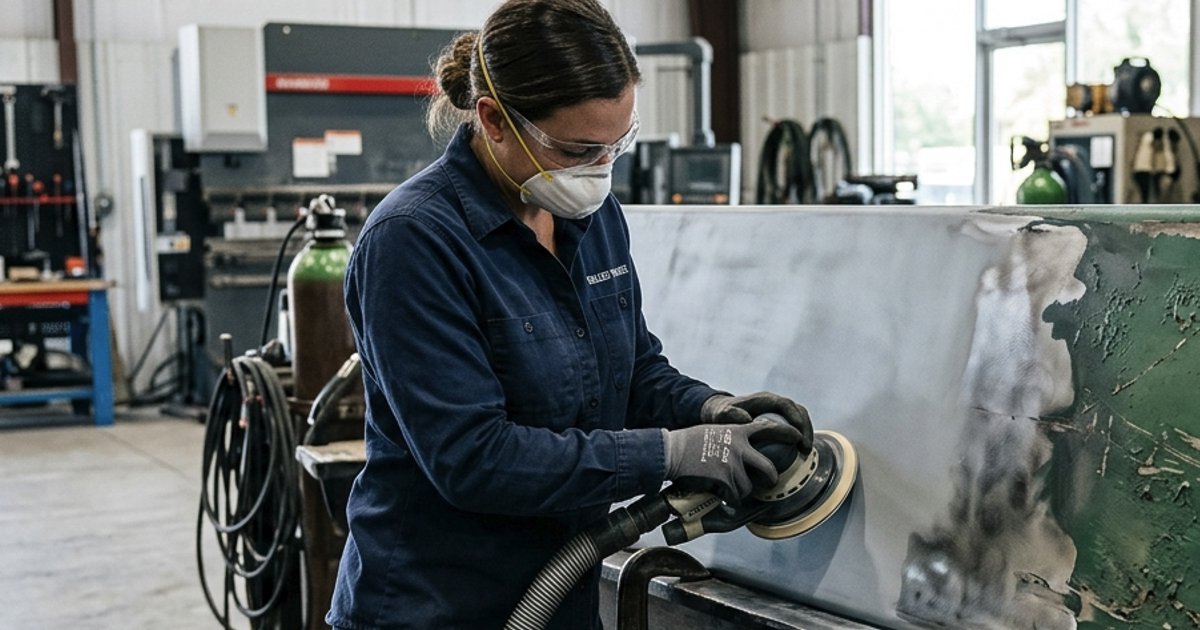
During the planning phase, cross-referencing both documents helps you assemble the right materials and personal protective equipment before the job begins. For example, the TDS for a solvent-based INSECO coating may specify that the product be applied in thin, even coats with a low-nap roller. Meanwhile, the SDS for that same product will indicate the appropriate respirator type, glove material, and ventilation requirements for safe handling. Neither piece of information is optional. Both must be addressed before the first drop of product is opened.
Setting Up Your Work Environment
The SDS will identify any flash point thresholds, flammability ratings, or ventilation requirements that dictate how your workspace must be configured. If the SDS specifies that a product requires adequate airflow and should be kept away from ignition sources, that information changes how and where you set up your staging area. The TDS, at the same time, may specify temperature and relative humidity ranges for application, meaning you need to balance safety requirements with environmental performance requirements simultaneously. Using both documents ensures you are not compromising one for the other.
Mixing, Thinning, and Pot Life
Some INSECO products require mixing or may be field-thinned within specified limits. The TDS will detail the exact ratios, acceptable thinners, and any pot life restrictions. The SDS, meanwhile, will provide guidance on the safe handling of any solvents or additives involved in that mixing process, including inhalation risks, skin contact precautions, and spill response. A thorough review of both documents before opening a can protects both the quality of the application and the health of the applicator.
Common Mistakes That Happen When Only One Document Is Used
At INSECO, our technical support team frequently assists customers who have encountered problems that trace back to consulting only one of these two documents. Understanding these common failures helps illustrate why a dual-document approach is so important.
Ignoring the SDS During Cleanup
One of the most frequently overlooked sections of any SDS is the disposal and cleanup section. Applicators who rely solely on the TDS may clean brushes, rollers, or spray equipment with an improper solvent, or dispose of leftover material incorrectly. The SDS provides clear direction on compliant waste disposal practices, proper solvent handling, and environmental responsibility. Skipping this step is not only unsafe but can also result in regulatory violations depending on your jurisdiction.
Overlooking SDS Storage Requirements
The TDS will often mention that products should be stored in a cool, dry location away from freezing temperatures. However, the SDS adds an additional layer of detail, specifying maximum storage temperatures, compatibility with other stored materials, and container requirements. Storing a coating product next to incompatible chemicals identified in the SDS is a serious hazard that the TDS alone will not alert you to.
Misreading Cure Times Without Context
The TDS provides cure times under standard conditions. If an applicator is working in a confined space with high humidity and poor ventilation, both the TDS and SDS become critical. The TDS explains how humidity affects dry time, and the SDS explains the exposure risks that come with prolonged time in a confined coating environment. Together, they allow you to make an informed decision about whether the conditions are appropriate for application at all.
Where to Find INSECO Technical and Safety Data Sheets
INSECO makes both the TDS and SDS available for every product in our specialty coatings line. These documents are available directly through our website and are provided with every product order. If you cannot locate a document for a specific INSECO product, our technical support team is available to send the most current version directly to you.
It is important to note that these documents are updated periodically as formulations are refined or regulatory requirements change. Always confirm that you are working with the most current version of both documents before beginning a new project. An outdated SDS in particular may not reflect current hazard classifications or regulatory guidance.
Making Document Review a Standard Part of Every Project
For professional contractors, coating installers, and facility maintenance teams, reviewing the TDS and SDS should be a non-negotiable part of every job setup. This means keeping printed or digital copies on the job site for the duration of the project, briefing all team members on the key points from both documents, and revisiting the documents anytime a new product or new surface type is introduced to the project scope.
INSECO's technical support team is always available to walk customers through any section of these documents and to provide application guidance specific to your project conditions. Whether you are sealing a hardwood deck with WOOD Rx or applying a specialty coating to concrete or natural stone, our team is here to ensure that both your results and your safety meet the highest standards.
Taking the time to read, understand, and apply the information in both your TDS and SDS is one of the simplest and most effective steps you can take toward a successful, professional-quality coating application. It is the kind of preparation that separates a great result from an avoidable failure.