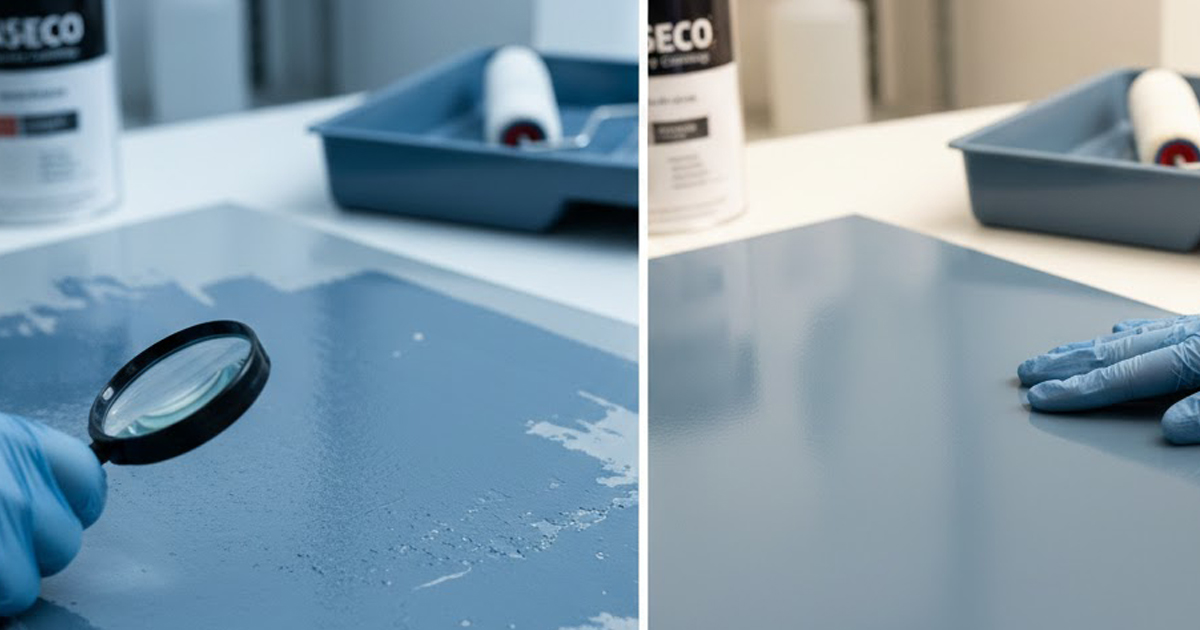



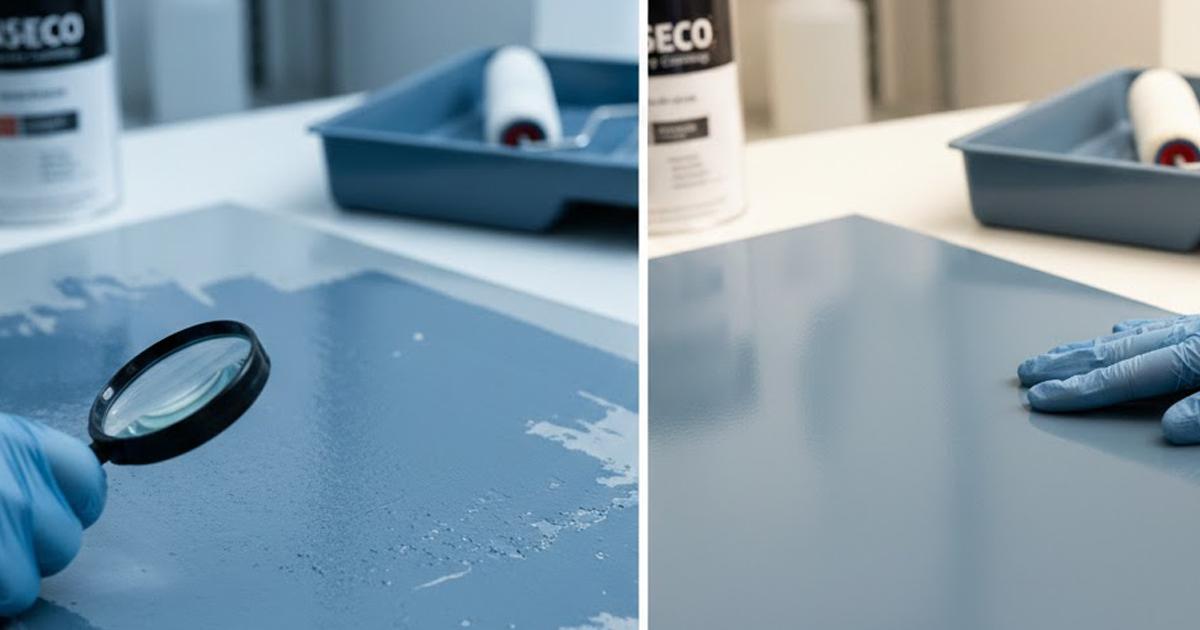

One of the most common questions applicators ask is whether a second coat is truly necessary or simply optional. Applying too few coats can leave surfaces under-protected, while applying too many can lead to adhesion issues, extended cure times, or unnecessary material costs. Knowing when a second coat is required is essential for achieving the intended performance of INSECO specialty coatings.
This guide breaks down how to evaluate surface conditions, coverage results, and exposure demands to determine when a second coat is the right choice.
When One Coat Is Enough
In some applications, a single properly applied coat can deliver excellent protection. This typically occurs when the surface is well-prepared, absorption is minimal, and exposure conditions are moderate. Achieving the correct film thickness and even coverage in the first pass is key.
A single coat may be sufficient for maintenance applications or low-stress environments where the coating is not subjected to heavy traffic, moisture, or chemical exposure.
Clear Signs a Second Coat Is Needed
A second coat is often necessary when the first coat absorbs unevenly, leaving visible dry spots, dull areas, or inconsistent sheen. Porous substrates such as aged wood, concrete, or previously weathered surfaces commonly require additional material to build proper protection.
High-exposure areas, including surfaces subject to UV radiation, moisture intrusion, abrasion, or chemical contact, also benefit from a second coat to enhance durability and extend service life.
Timing Matters: Applying the Second Coat Correctly
Applying a second coat too soon or too late can compromise performance. Following recommended recoat windows ensures proper bonding between layers and avoids issues such as lifting, soft spots, or incomplete curing.
Environmental conditions like temperature and humidity should also be considered before recoating, as they directly affect absorption and cure behavior.
Avoiding Common Mistakes with Multiple Coats
Overapplication is a common issue when applying additional coats. Applying excessive material can trap solvents, slow curing, and lead to surface defects. Each coat should be applied evenly and at the recommended film thickness rather than trying to build protection in a single heavy pass.
Monitoring coverage rates and observing how the surface responds to the first coat helps prevent these problems.
Final Thoughts
Knowing when to apply a second coat is not guesswork. By evaluating surface absorption, exposure demands, and coverage results, applicators can make informed decisions that maximize performance without wasting product.
When in doubt, consulting INSECO product guidelines or technical support ensures the coating system is applied as intended for long-lasting results.