



One of the most common concerns applicators face—especially in hot, humid climates—is a coating that stays sticky or tacky long after it should have cured. While it can be frustrating, the good news is that tackiness isn’t always a sign of product failure. Most of the time, it comes down to environmental conditions, application thickness, or surface contamination. With the right approach, you can both correct the issue and prevent it from happening on future projects. INSECO coatings are engineered for high performance, and understanding how to manage cure times can help ensure a smooth, durable finish every time.
Sticky surfaces often result from solvent entrapment, which happens when a coating dries on the surface before solvents underneath have a chance to escape. High humidity, low airflow, or applying the product too thick can all contribute. In other cases, contaminants like oil, residue, or previous coatings may interfere with proper bonding and curing. Temperature also plays a major role—cooler conditions slow down solvent release, while extreme heat can cause surface flashing that traps solvents beneath the top layer.
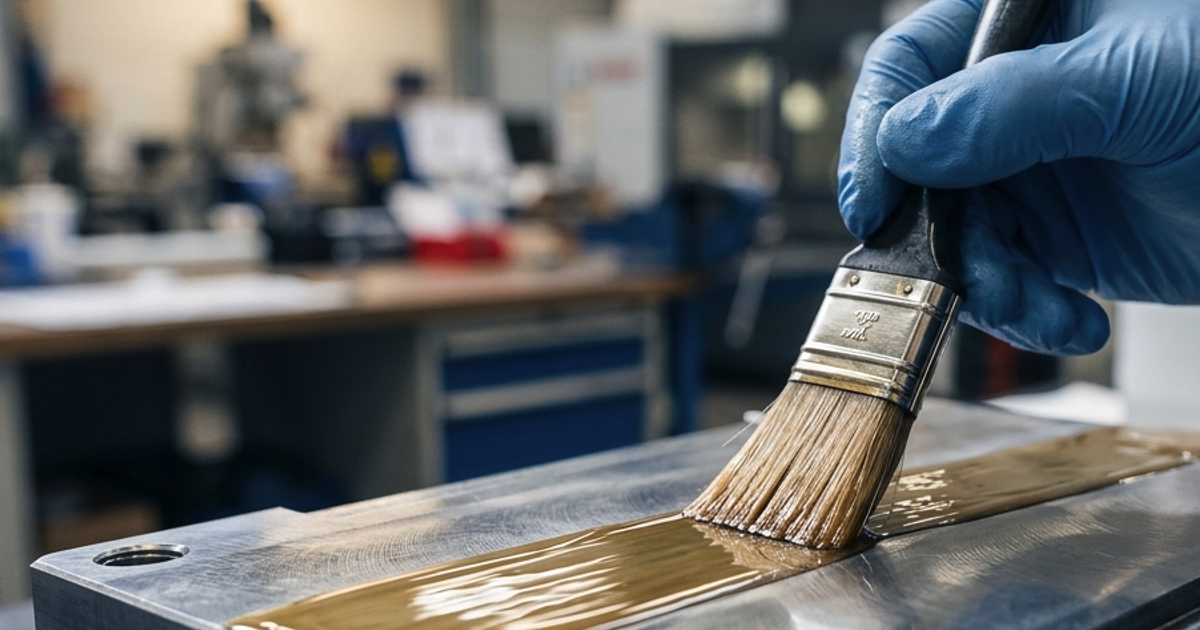
To fix tackiness, start by improving airflow. Gentle, indirect air movement allows the coating to release trapped solvents safely. Avoid direct fans, which can cause uneven curing. If the surface remains tacky after adequate time and ventilation, lightly wiping the area with a solvent recommended by INSECO can sometimes help reset the curing process. In more severe cases, you may need to lightly abrade the surface and reapply a thin, even coat. To prevent the issue moving forward, always check humidity levels, ensure proper surface prep, and apply thin, controlled layers. With the right technique and environment control, INSECO coatings will cure hard, smooth, and ready for long-lasting protection.