



Slow dry times can bring a coating project to a frustrating halt, especially when schedules are tight or multiple coats are required. While INSECO coatings are formulated for balanced, reliable curing, several environmental and application-related factors can still slow the process down. The good news: once you understand these factors, you can easily diagnose the issue and get your project back on track. Whether you're a contractor applying high-performance industrial coatings or a homeowner working on a weekend project, knowing how to identify and resolve slow-drying conditions can make all the difference in achieving a durable, professional finish.
One of the most common causes of extended dry times is incorrect environmental conditions. Temperature, humidity, and airflow all play major roles in how quickly coatings cure. If the temperature is too low, solvents evaporate more slowly, leaving the coating tacky for far longer than expected. High humidity can trap moisture within the film, delaying the cure and weakening performance. Limited airflow prevents vapors from escaping the surface. The solution? Aim for a balanced environment whenever possible: moderate temperatures, controlled humidity, and steady airflow. Using fans, dehumidifiers, or climate control equipment can help create optimal curing conditions—especially indoors or during seasonal weather shifts.
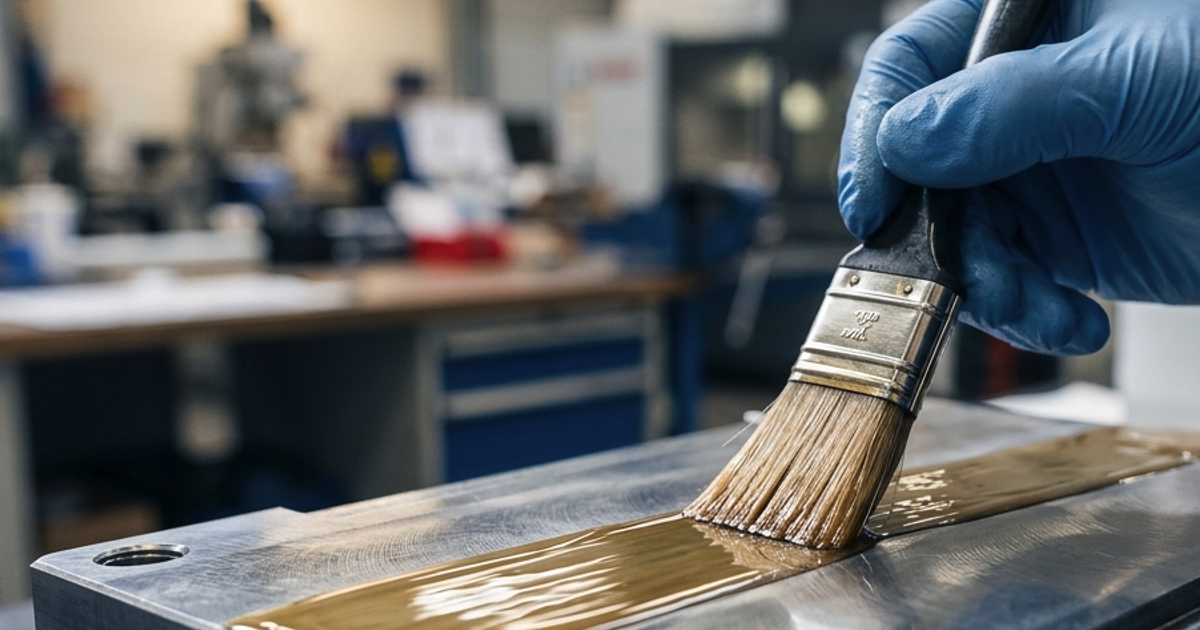
Another frequent issue is applying the coating too thick. Heavy coats may seem like a time-saver, but they often do the opposite by trapping solvents and causing slow or uneven drying. Always follow INSECO’s recommended mil thickness and avoid overworking the product. If a coating layer is already too thick, increasing airflow and temperature can help speed evaporation. For future applications, switching to thinner, even coats can dramatically improve both the dry time and the final appearance. In some cases, using the appropriate INSECO primer will also enhance cure speed and overall performance.
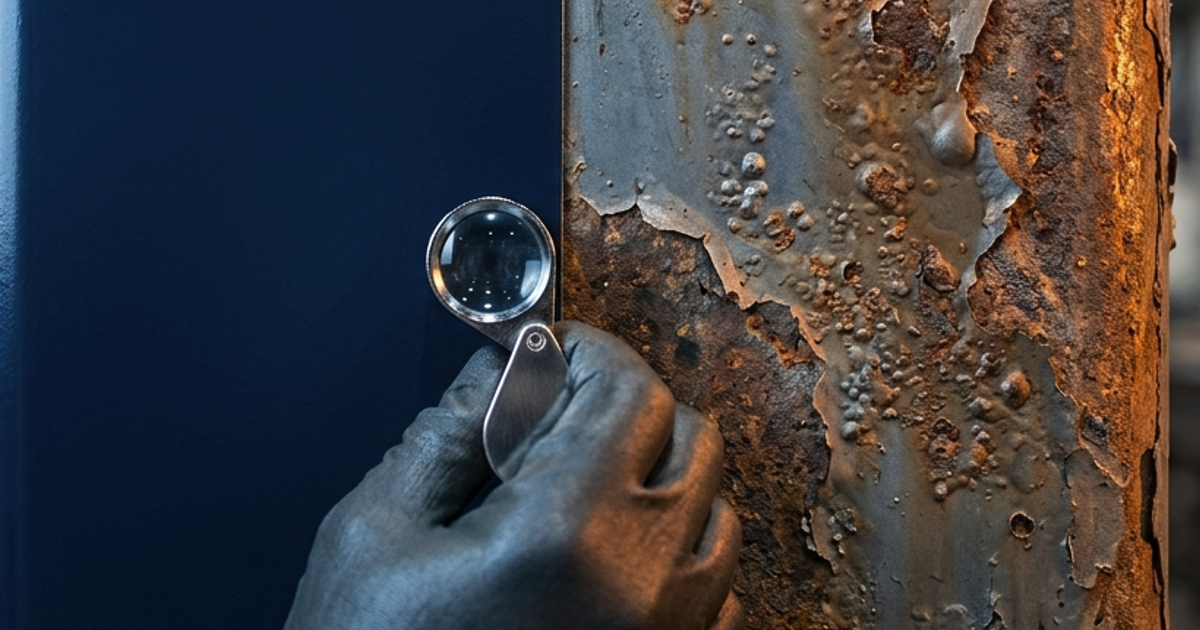
Surface contamination can also interfere with curing. Oils, dust, residues, or previous coatings that are not properly cleaned can prevent the new coating from drying evenly. A simple surface test—like wiping with a clean cloth and checking for residue—can reveal the problem. Proper cleaning, surface prep, and the right INSECO-compatible cleaners or primers can eliminate these issues entirely. When slow dry times occur unexpectedly, always inspect the surface before assuming the product itself is the issue.
Finally, mixing mistakes can also delay drying. Two-component products must be mixed thoroughly and in the proper ratio. Undermixed or improperly combined materials will not cure as intended. Always follow INSECO’s instructions for mixing time, ratios, and pot life to ensure consistent results.
By evaluating these factors—environment, application thickness, surface prep, and mixing technique—you can quickly pinpoint the cause of slow dry times and apply the right fix. With the correct adjustments, INSECO coatings will dry properly and deliver the strength, durability, and professional performance they’re designed for. If issues persist, INSECO’s technical support team is always available to help troubleshoot and guide you toward the ideal solution for your specific situation.