




One of the most common reasons specialty coatings underperform isn’t product failure—it’s incorrect coverage rate during application. Applying too little material can reduce durability, while applying too much can interfere with curing and appearance.
Understanding how to maintain proper coverage rates helps ensure INSECO specialty coatings deliver the protection, consistency, and longevity they’re designed to provide.
Why Coverage Rate Directly Affects Coating Performance
Coverage rate determines whether a coating forms the protective barrier it was engineered to create. When material is stretched too far across a surface, the coating film may not develop correctly.
This can lead to:
- Reduced protection against environmental exposure
- Shortened service life
- Unevalu gloss levels
- Premature wear in high-contact areas
- Increased likelihood of early maintenance needs
Following recommended spread rates ensures coatings perform as intended across the entire surface.
Signs a Coating Is Being Applied Too Thin
Stretching product farther than recommended often happens unintentionally, especially on large surfaces or when trying to maximize material usage.
Warning signs include:
- Surface texture showing through unexpectedly
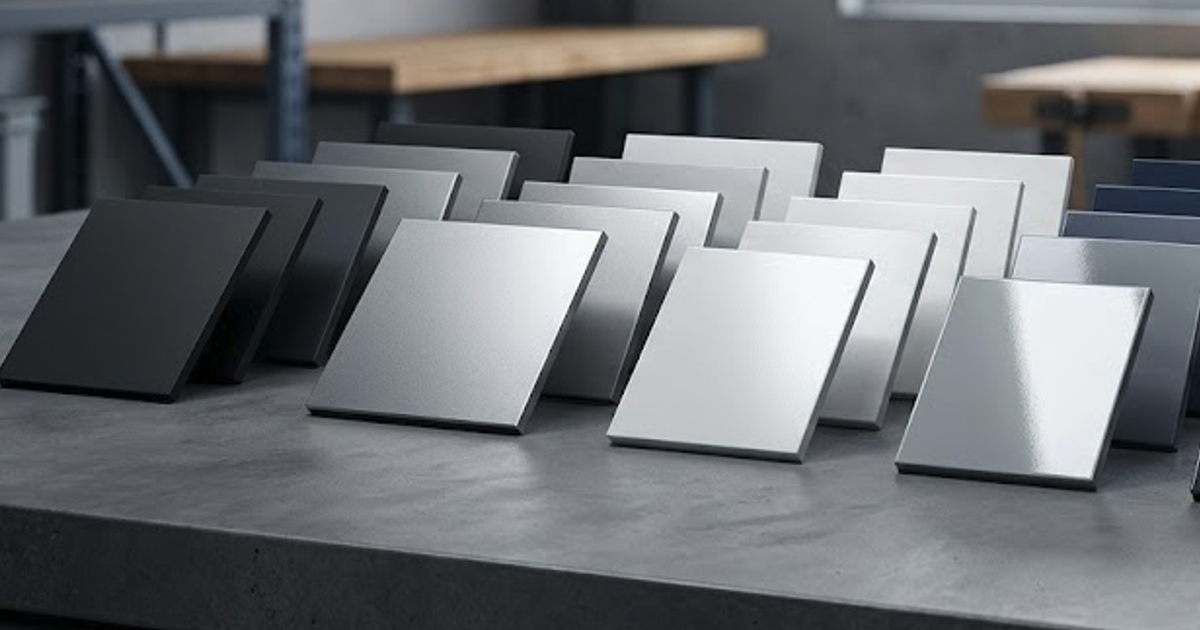
- Inconsistent sheen after drying
- Visible variation between sections
- Faster-than-expected absorption on porous substrates
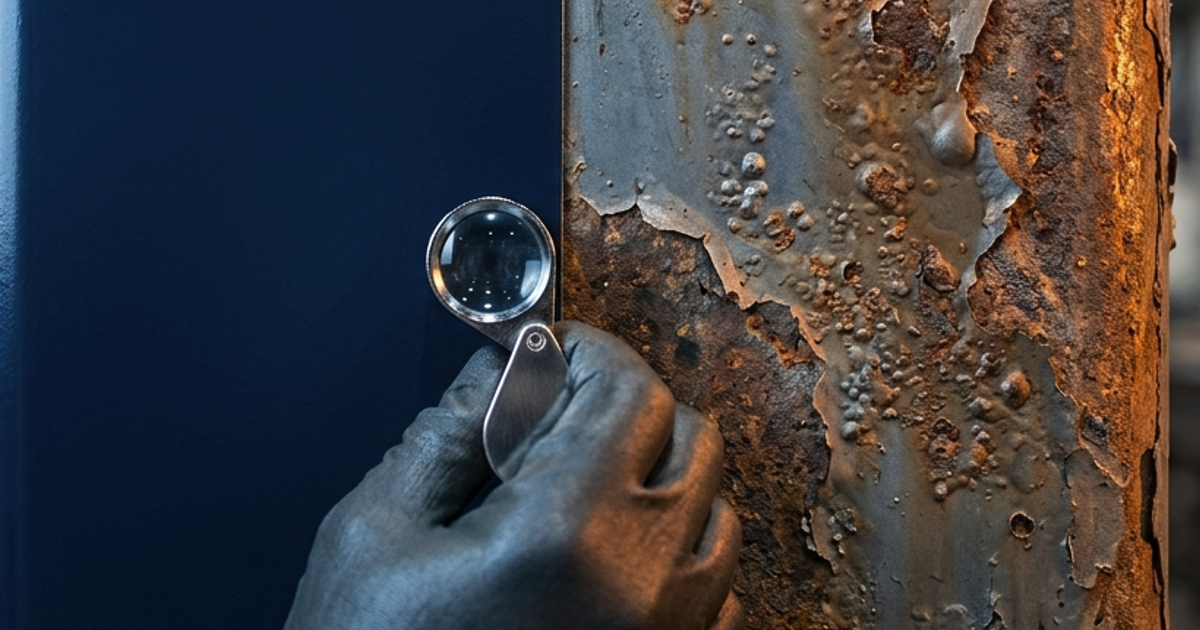
- Reduced resistance to moisture or abrasion
Recognizing these signs early allows corrections before performance is compromised.
Why Over-Application Can Create Its Own Problems
Applying extra material may seem like a safer approach, but excessive coating thickness can interfere with proper curing and bonding.
Common results of over-application include:
- Extended dry times
- Surface tackiness
- Reduced clarity on transparent systems
- Increased risk of wrinkling or surface distortion
- Trapped solvents affecting long-term durability
Balanced application produces the most reliable results.
How Surface Type Influences Coverage Expectations
Different substrates absorb coatings differently. Adjusting expectations without adjusting technique can lead to uneven performance across a project.
Surfaces that often require careful monitoring include:
- Raw or porous wood
- Concrete and masonry
- Previously weathered substrates
- Highly textured surfaces
- Areas exposed to direct sunlight during application
Understanding how each surface interacts with coating material helps maintain consistent protection.
Tools That Help Maintain Accurate Coverage Rates
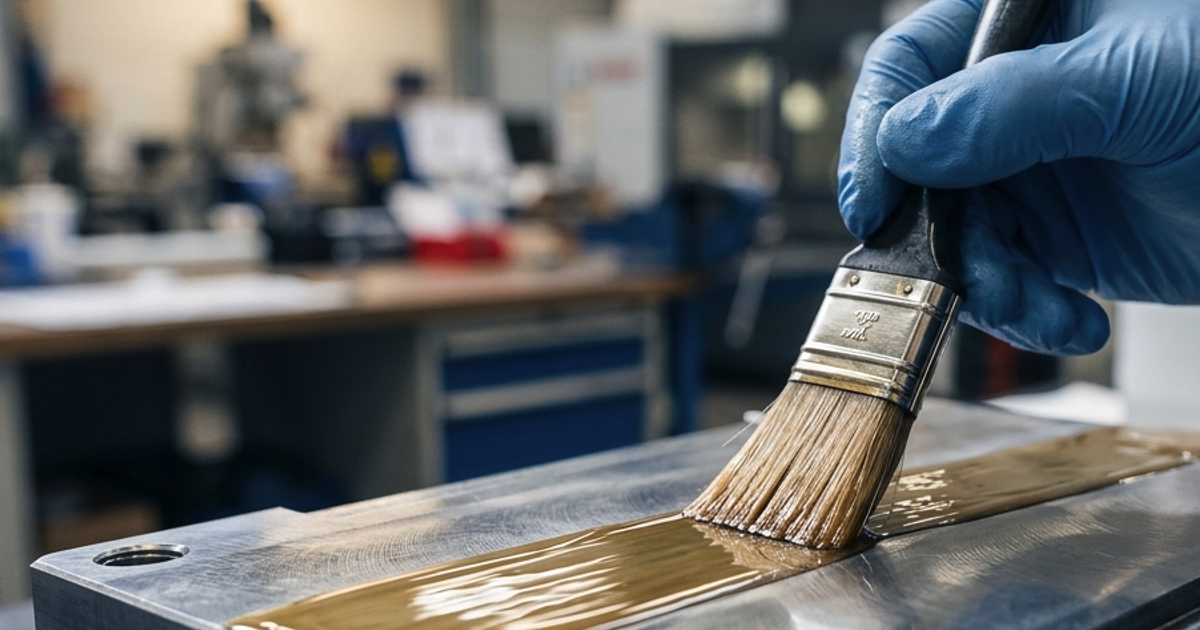
Professional applicators rely on simple tracking methods to confirm they’re applying the correct amount of product across each section.
Helpful techniques include:
- Measuring square footage before application begins
- Dividing material into planned coverage zones
- Monitoring spread rate during each pass
- Using consistent application patterns
- Reviewing manufacturer specifications before starting
These steps make it easier to stay within recommended performance ranges throughout the project.
Consistency Is the Key to Long-Term Results
INSECO specialty coatings are designed to perform under demanding conditions, but like any advanced coating system, they depend on correct application practices to achieve their full potential.
Maintaining proper coverage rates ensures coatings cure correctly, protect surfaces evenly, and deliver the durability professionals expect. With careful planning and consistent technique, applicators can avoid common coverage mistakes and achieve dependable results across every project.