



Even when a coating appears smooth during application, tiny imperfections can form as the material begins to cure. Two of the most common defects professionals encounter are pinholes and microbubbles. These issues may seem minor at first, but they can compromise the protective barrier of a coating system, allowing moisture, chemicals, or air to reach the substrate below.
Pinholes typically appear as very small openings in the cured coating surface. They are often caused by trapped air escaping from the substrate or from within the coating itself. Microbubbles, on the other hand, form when air becomes suspended in the coating during mixing or application. When these bubbles rise and burst, they can leave behind small craters that weaken the coating film and reduce its long-term durability.
Understanding how and why these defects occur is the first step toward preventing them.
Control Air Entrapment During Mixing
One of the most overlooked causes of coating defects starts during the mixing process. Aggressive mixing techniques can introduce excessive air into the material, especially when using high-speed drill mixers or improper paddle designs.
Professionals should always follow manufacturer recommendations for mixing speed and duration. A slow, controlled mixing process helps ensure components blend properly without whipping air into the coating. In addition, allowing the material to sit briefly after mixing can give trapped air time to rise and dissipate before application begins.
Using the correct mixing equipment also makes a difference. Mixing paddles designed for coatings help fold the material together rather than aerating it.
Evaluate the Surface Before Application
Substrates themselves can also contribute to pinhole formation. Porous surfaces such as concrete often contain small air pockets. When coatings are applied, those pockets can release trapped air as the material penetrates the surface.
This escaping air travels upward through the wet coating and forms bubbles. As the coating cures, those bubbles can burst and create pinholes.
Applying a proper primer or sealing coat can dramatically reduce this risk. Primers penetrate the substrate and fill many of these tiny voids before the main coating system is applied. This step helps stabilize the surface and prevents air from escaping during later stages of the coating process.
Pay Attention to Environmental Conditions
Environmental factors play a major role in bubble formation. Temperature changes, high humidity, and direct sunlight can all accelerate chemical reactions in coatings, sometimes causing gases to form within the material.
For example, when a surface is warm from sunlight, air trapped in the substrate expands. If the coating is applied during this time, the expanding air can push upward into the coating film. As temperatures drop later in the day, the material begins to cure while those bubbles remain trapped in place.
Applying coatings during stable temperature conditions, typically when surfaces are cooling rather than heating, can significantly reduce these problems.
Use Proper Application Techniques
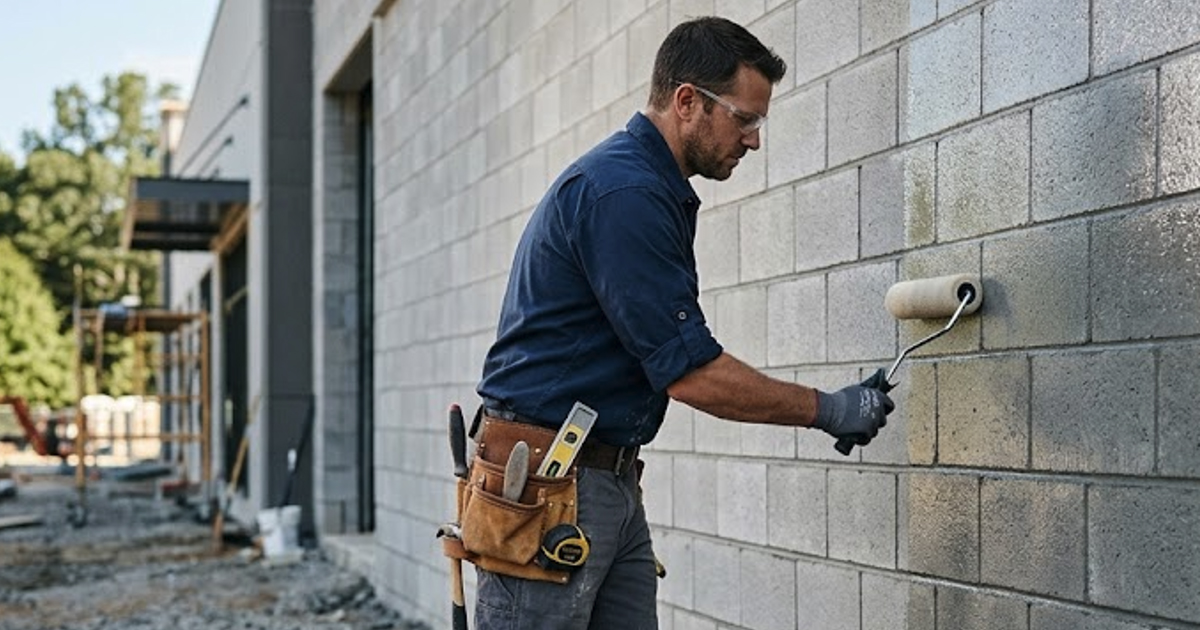
Application technique is just as important as product selection. Rolling or spraying coatings too aggressively can introduce air into the film during installation.
Professionals often use a technique known as back-rolling or spike rolling when working with thicker coating systems. These methods help release trapped air while the coating is still fluid, allowing bubbles to rise and break before curing begins.
Working methodically across the surface and maintaining consistent film thickness also helps prevent localized defects from forming.
Small Details Make a Big Difference
Pinholes and microbubbles are often the result of several small factors combining together rather than a single mistake. Mixing technique, surface preparation, environmental conditions, and application methods all influence the final result.
By carefully controlling each stage of the process, professionals can dramatically reduce the likelihood of these defects appearing in finished coatings. The extra attention to detail not only improves the appearance of the coating but also ensures the protective system performs exactly as intended for years to come.