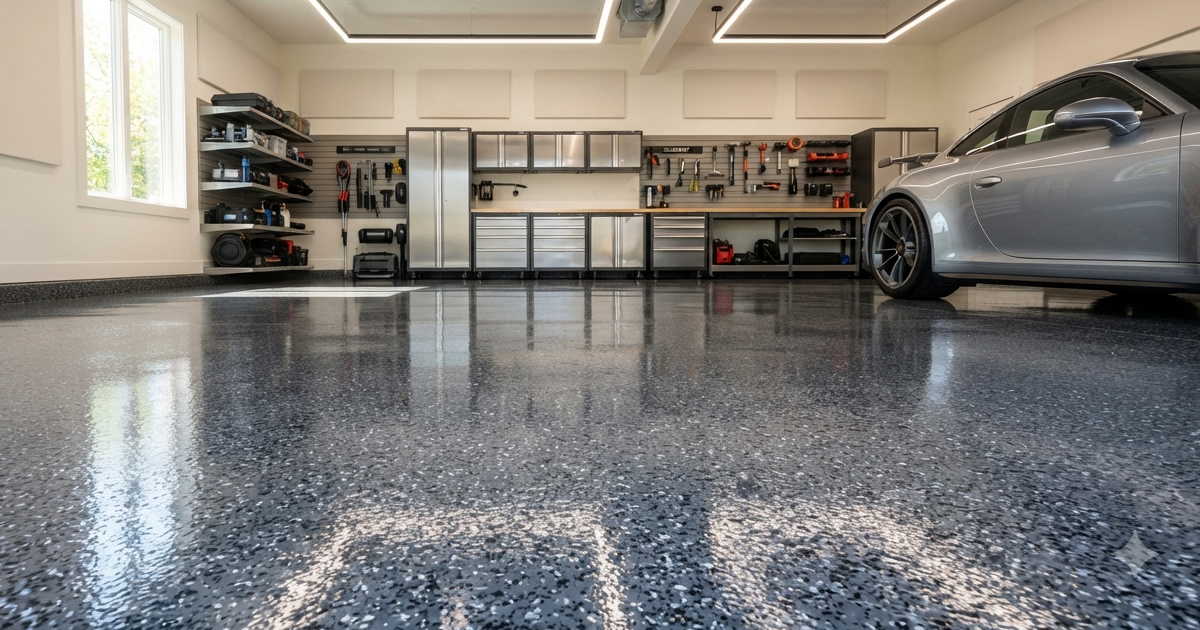




When it comes to coatings and sealers, dry time is one of the most overlooked factors—and one of the most important. A coating can be expertly formulated, perfectly mixed, and applied with precision, but if the environmental conditions aren’t right, the final result can still fall short. At INSECO, we’ve seen how controlling dry time can make the difference between a flawless, durable surface and a failed application. Understanding how temperature, humidity, and airflow work together is essential for anyone who wants consistent, professional-grade results.
Temperature is often the biggest variable. Coatings dry faster in warm environments, sometimes too fast, which can lead to improper film formation, reduced adhesion, or surface defects like bubbling and flashing. On the other hand, cooler temperatures slow the curing process and can trap solvents, creating soft, tacky finishes that never fully harden. Humidity plays its own role—high moisture levels slow evaporation, while extremely dry air can accelerate it unevenly. Even airflow matters more than most applicators realize. Gentle, controlled air movement helps solvents escape and prevents surface skinning, while strong, direct airflow can cause premature drying and texture issues.
The key is balance. Before any coating project, assess the environment as carefully as you assess the substrate. Use thermometers, hygrometers, and airflow meters when possible, and adjust your process accordingly—thinning, slowing application speed, warming materials, or controlling ventilation can all help achieve optimal dry and cure times. Professionals who understand these variables deliver consistently superior results, and with the right tools and expertise, anyone can master the environmental side of coating science. INSECO continues to help applicators across industries achieve better performance, longer-lasting finishes, and fewer callbacks through smarter environmental control.