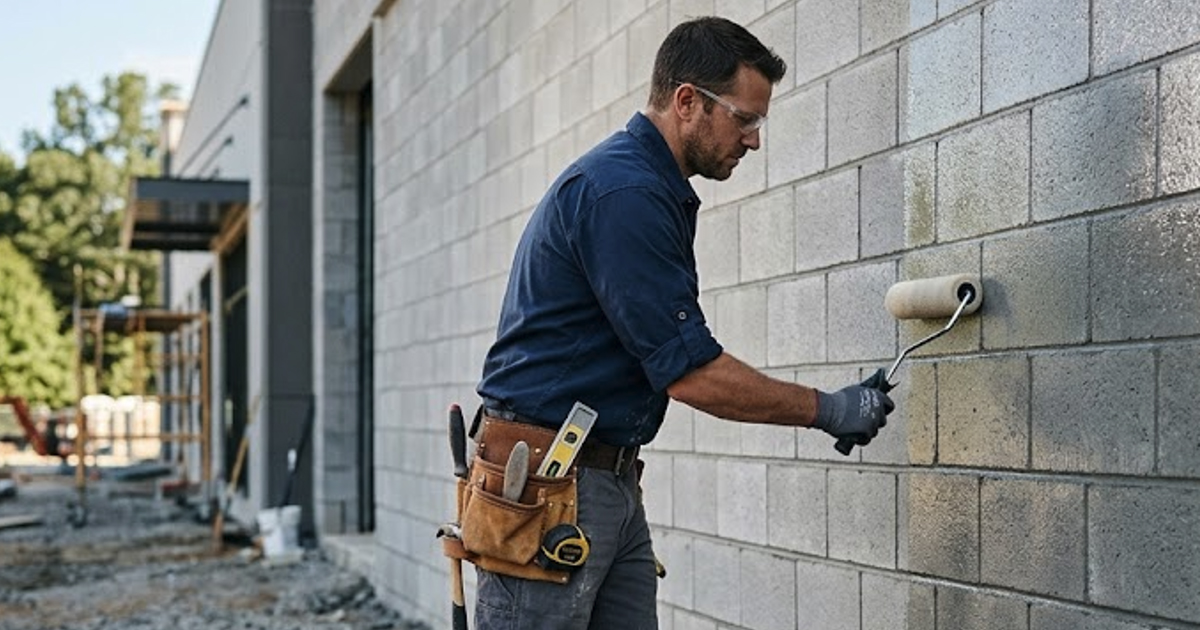




Even the most advanced coatings can fail when surface preparation, environmental conditions, or application methods aren’t carefully managed. For professionals and DIY users alike, prevention begins long before the first coat is applied. Start by ensuring your substrate is clean, dry, and structurally sound. Contaminants like oil, mildew, dust, or previous coating residue can create invisible barriers that weaken adhesion. Always test for moisture levels—especially on concrete, wood, or metal surfaces—and allow adequate drying time before priming or sealing. Temperature and humidity also play a major role; applying coatings outside the manufacturer’s recommended ranges often leads to bubbling, peeling, or improper curing.
Another key to success lies in product compatibility and application technique. Mixing brands or using incompatible primers can disrupt chemical bonding, while applying coats too thickly or too quickly prevents proper evaporation and crosslinking. For best results, follow coating specifications precisely—pay attention to coverage rates, recoat intervals, and cure times. Using quality applicators like clean rollers or properly calibrated sprayers further ensures a uniform finish. By identifying these potential failure points early and correcting them before they become problems, you can extend the life and performance of every project. When in doubt, rely on INSECO INC.’s expertise—our team provides advanced specialty coatings and technical support designed to help professionals achieve durable, lasting results every time.