



Concrete is one of the most durable and widely used surfaces in both residential and commercial settings. Driveways, patios, walkways, and pool decks all rely on concrete for their strength and longevity. Yet despite its reputation for toughness, unsealed concrete is surprisingly vulnerable to the elements. Without proper protection, concrete surfaces absorb moisture, develop cracks, stain easily, and deteriorate far sooner than they should. For homeowners, this means premature and costly repairs. For contractors and service businesses, it represents an enormous opportunity to deliver real, measurable value to clients.
At INSECO, we have spent over 25 years helping both homeowners and commercial contractors understand the critical role that specialty coatings play in extending the life of concrete surfaces. This guide breaks down everything you need to know about sealing and protecting concrete driveways and patios — from why it matters to how to do it right the first time.
Why Concrete Surfaces Need Sealing
Many property owners mistakenly assume that concrete is impervious to damage simply because it feels solid and hard underfoot. The reality is that concrete is a porous material. Its surface and subsurface are filled with microscopic pores and capillaries that readily absorb water, oils, road salts, cleaning chemicals, and other contaminants. Over time, this absorption leads to a predictable cycle of damage.
Water that penetrates the surface expands and contracts with temperature changes, gradually widening cracks and weakening the structural integrity of the slab. In colder climates, the freeze-thaw cycle is particularly destructive, causing spalling, flaking, and surface erosion that can make a driveway or patio look aged and worn within just a few years. In warmer climates, UV exposure breaks down the surface binder in concrete and causes discoloration and surface degradation.
The Specific Threats Concrete Faces
- Moisture infiltration: Leads to cracking, spalling, and mold growth beneath and on the surface.
- Oil and chemical stains: Penetrate deeply into unsealed concrete, making them extremely difficult to remove.
- Freeze-thaw damage: Water expands when frozen, widening existing cracks and creating new ones.
- UV degradation: Breaks down the surface layer, causing fading, chalking, and loss of structural integrity.
- Road salts and deicers: Accelerate surface corrosion and compromise reinforcing steel within the concrete.
- Algae, mold, and mildew: Thrive in damp, porous concrete surfaces, creating health hazards and unsightly staining.
For contractors who service commercial or residential properties, understanding these threats is the foundation of building a compelling case for regular concrete sealing services. When clients can see the data and understand the true cost of neglect, the value proposition for preventive coating applications becomes undeniable.
Choosing the Right Concrete Sealer for Your Application
Not all concrete sealers are created equal, and selecting the right product for the specific application is critical to achieving the best results. The concrete sealing market is filled with products that vary widely in quality, durability, and performance characteristics. Understanding the core categories will help homeowners make better decisions and help contractors recommend the right solutions for each project.
Penetrating Sealers
Penetrating sealers, also known as impregnating sealers, work by absorbing into the pores of the concrete rather than forming a film on the surface. They react chemically with the minerals in the concrete to create a hydrophobic barrier that repels water and contaminants from within the slab. Because they do not alter the surface appearance, penetrating sealers are ideal for driveways and patios where a natural look is desired. They also tend to be more breathable, allowing moisture vapor to escape while still blocking liquid water from entering.
Film-Forming Sealers
Film-forming sealers create a protective layer on top of the concrete surface. They come in a range of finishes from matte to high gloss and can significantly enhance the appearance of decorative concrete. Acrylic sealers are the most common film-forming option and offer good protection against UV exposure and surface staining. Epoxy and polyurethane coatings are more heavy-duty options often used for garage floors and commercial applications where abrasion resistance and chemical resistance are priorities.
Specialty Performance Coatings
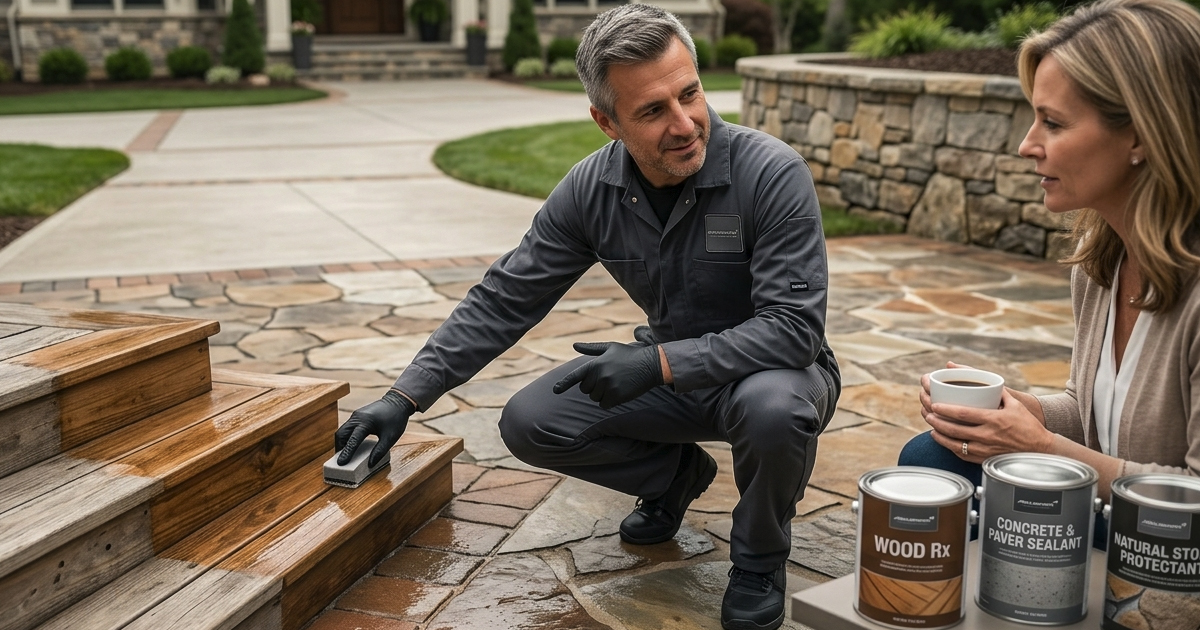
For commercial settings, high-traffic areas, and surfaces exposed to extreme conditions, specialty performance coatings offer enhanced protection that goes well beyond what standard retail products can deliver. These formulations are engineered to provide superior adhesion, longer service life, and resistance to a wider range of environmental and chemical threats. INSECO's product line is built around this philosophy — delivering premium specialty coatings that genuinely outperform commodity alternatives available at big box retailers.
How to Properly Seal a Concrete Driveway or Patio
The application process is just as important as the product itself. Even the highest quality sealer will underperform if it is applied to improperly prepared concrete or under unfavorable conditions. Following a disciplined, step-by-step application process is the single most important factor in determining how long a seal coat will last and how effectively it will protect the surface.
Step One: Surface Preparation
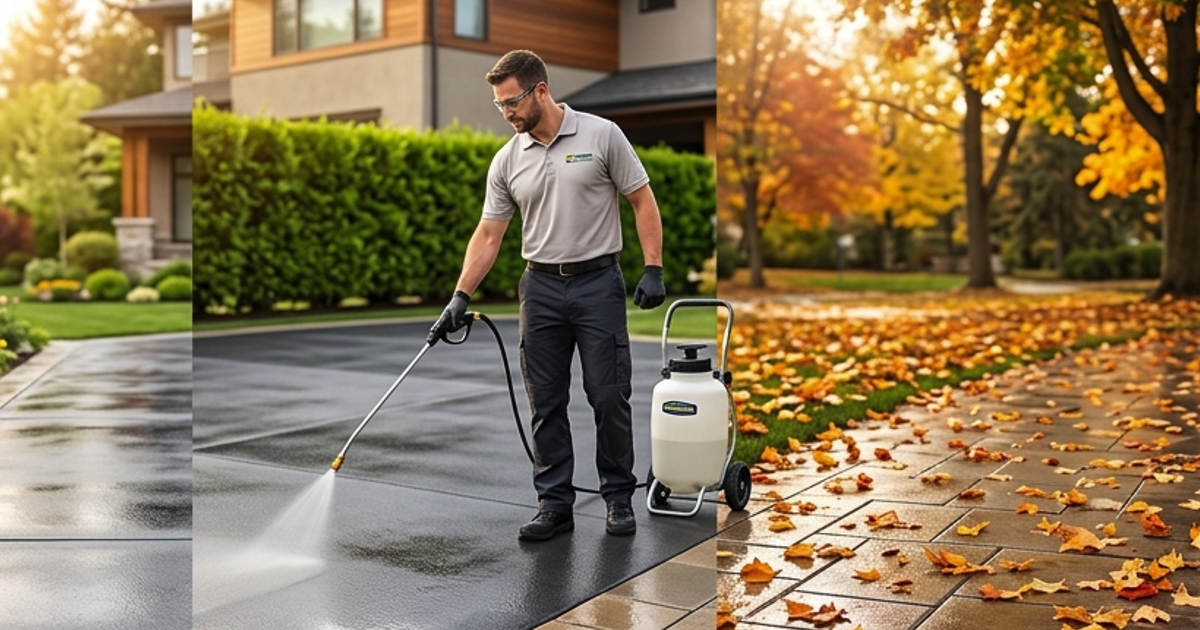
Clean, dry, and structurally sound concrete is the prerequisite for any successful sealing project. Begin by thoroughly cleaning the surface using a pressure washer to remove dirt, debris, algae, and any previous coating residue. Stubborn oil stains should be treated with a degreaser and scrubbed before rinsing. Allow the concrete to dry completely — typically 24 to 48 hours depending on ambient conditions — before proceeding. Any existing cracks or damage should be repaired with an appropriate concrete repair compound and allowed to cure fully before sealing.
Step Two: Selecting the Right Conditions
Temperature and humidity play a significant role in how a sealer cures and bonds to the surface. Most concrete sealers should be applied when temperatures are between 50°F and 90°F and when no rain is expected for at least 24 hours after application. Avoid applying sealers in direct, intense sunlight, which can cause the product to dry too quickly and result in an uneven finish. Early morning or overcast days are generally ideal application conditions.
Step Three: Applying the Sealer
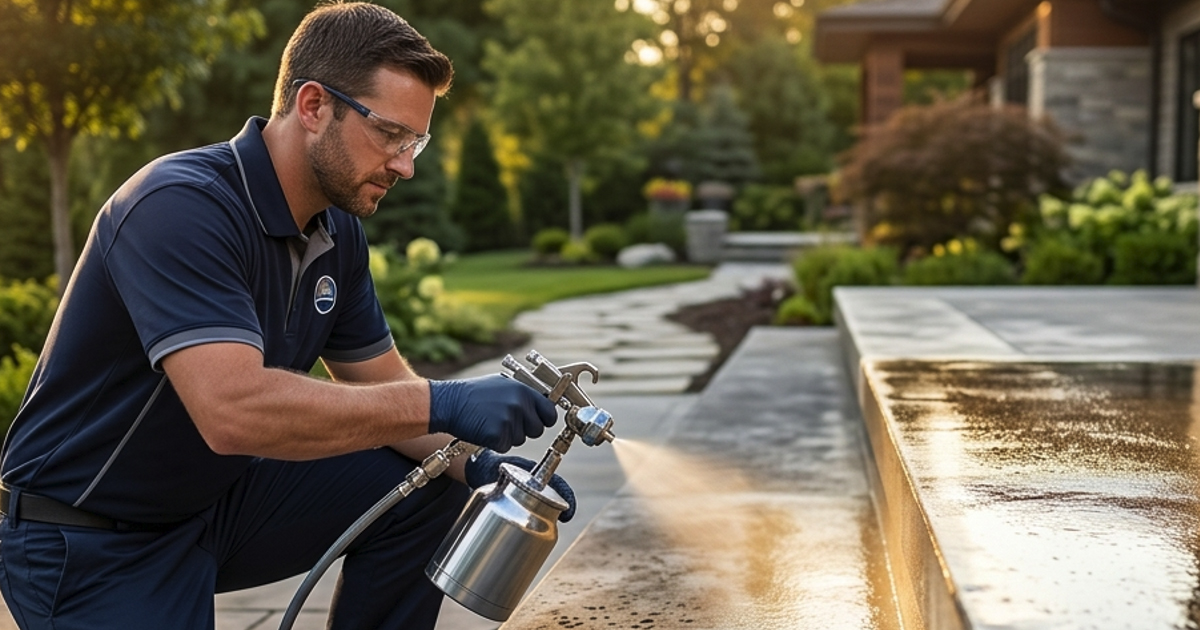
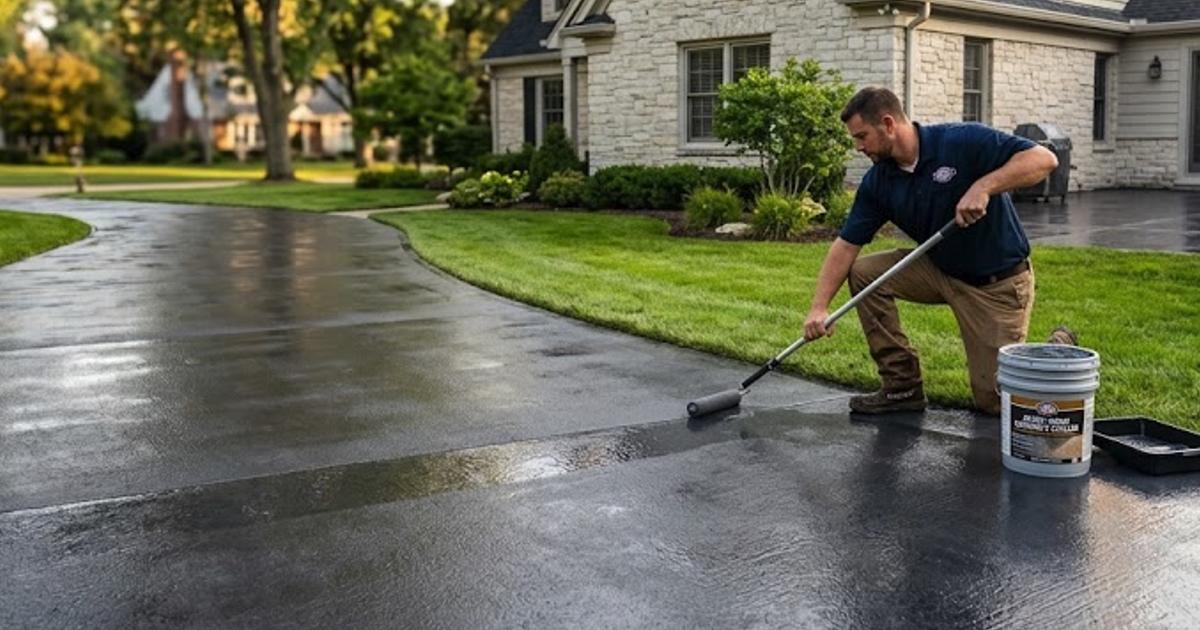
Apply the sealer evenly using a roller, brush, or pump-up sprayer depending on the product specifications and the size of the area being treated. Work in sections to maintain a wet edge and avoid lap marks. Most penetrating sealers require only one coat, while film-forming sealers may benefit from a second thin coat applied after the first has dried sufficiently. Always follow the manufacturer's technical data sheet for coverage rates, application methods, and cure times.
Step Four: Curing and Post-Application Care
Allow the sealer to cure fully before allowing foot traffic or vehicle traffic on the surface. Light foot traffic is typically acceptable within 24 hours for most products, while vehicle traffic should be restricted for 48 to 72 hours. Avoid using harsh chemicals or pressure washing the sealed surface for at least 30 days to allow the coating to reach its full cure strength.
The Business Case for Concrete Sealing Services
For contractors and service businesses, concrete sealing represents one of the highest-margin, lowest-barrier service additions available in the maintenance and coatings industry. The materials cost is relatively modest, the labor requirement is straightforward with proper training, and the demand among both residential and commercial clients is consistent and growing.
Property managers, HOAs, commercial facility managers, and homeowners are all increasingly aware of the financial consequences of deferred maintenance. A cracked and deteriorated concrete driveway or commercial parking area is not just an aesthetic problem — it is a liability and a significant replacement cost. By positioning your business as the expert solution that prevents those outcomes, you create a compelling value proposition that drives repeat business and strong referral potential.
INSECO supports contractors with comprehensive technical assistance, product training, and a refined product line that gives your business the tools to consistently deliver outstanding results. When your clients see the difference that a professional-grade specialty coating makes compared to what they might attempt on their own or have experienced with lesser products, your reputation grows and your business grows with it.
Maintenance and Long-Term Protection
Even the best concrete sealer will need periodic reapplication to maintain its protective performance. The frequency of resealing depends on the traffic load, climate conditions, and the specific product used. As a general guideline, residential driveways and patios treated with penetrating sealers typically benefit from reapplication every three to five years. High-traffic commercial surfaces or those exposed to harsh chemicals and heavy loads may require more frequent attention.
Educating clients about maintenance intervals is a critical component of building long-term service relationships. A client who understands why resealing matters and trusts your expertise to manage that schedule is a client who will call you back year after year — and refer you to their neighbors, colleagues, and business contacts. That ongoing relationship is the foundation of sustainable business growth in the specialty coatings industry.
At INSECO, our commitment is to provide contractors and homeowners alike with products that genuinely perform and technical support that empowers confident, successful application. Concrete sealing done right is one of the most cost-effective forms of property protection available, and with the right products and the right process, the results speak for themselves.