


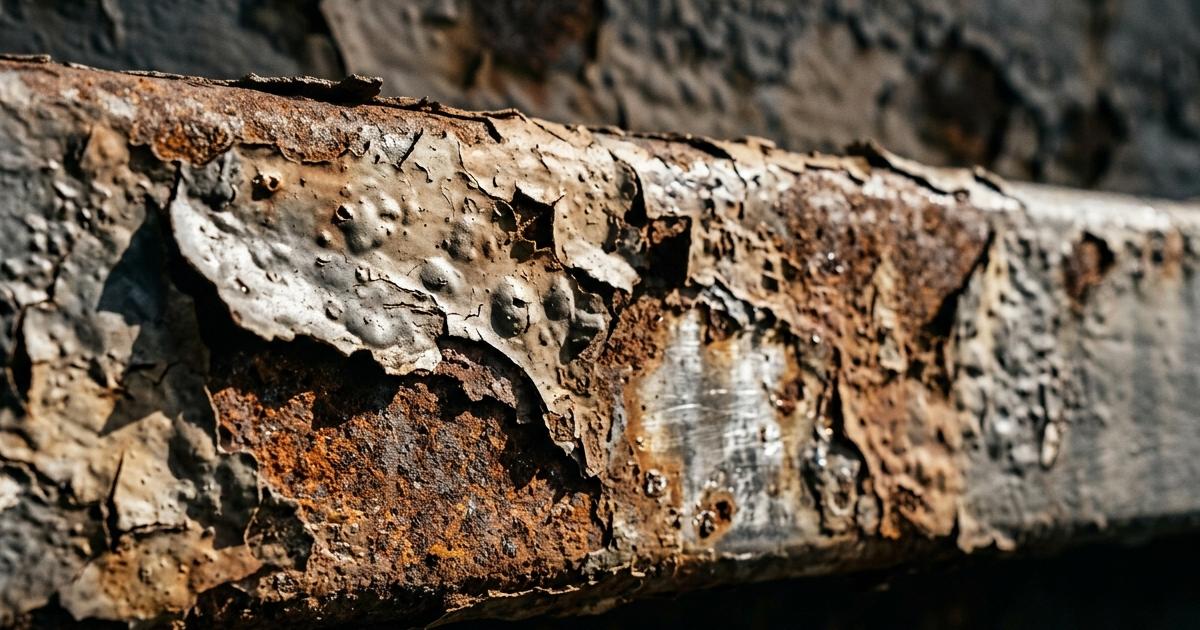

When a coating fails, the instinct is often to blame the product. But in the world of specialty coatings, failure patterns are rarely random. They are diagnostic signals. Each type of defect — whether it appears as peeling at the edges, milky discoloration in the field, or a rough, sandy texture on a sealed wood deck — carries specific information about what went wrong during the application process, surface preparation, or environmental conditions. Understanding how to read these patterns is one of the most valuable skills a coatings professional or serious DIYer can develop.
At INSECO, we have spent nearly three decades helping contractors, applicators, and property owners get the most from our premium specialty coatings. Our technical assistance team has seen virtually every type of coating failure imaginable. What we consistently find is that failures are preventable when you know what to look for — and what each failure pattern is trying to tell you.
This guide walks you through the most common coating failure patterns, what they indicate about your process, and how to correct the underlying cause before you recoat.
Peeling and Delamination: What the Location Tells You
Not all peeling looks the same, and that distinction matters enormously when diagnosing a failure. Where the peeling occurs and how it presents gives you direct insight into the root cause.
Peeling at the Edges and Corners
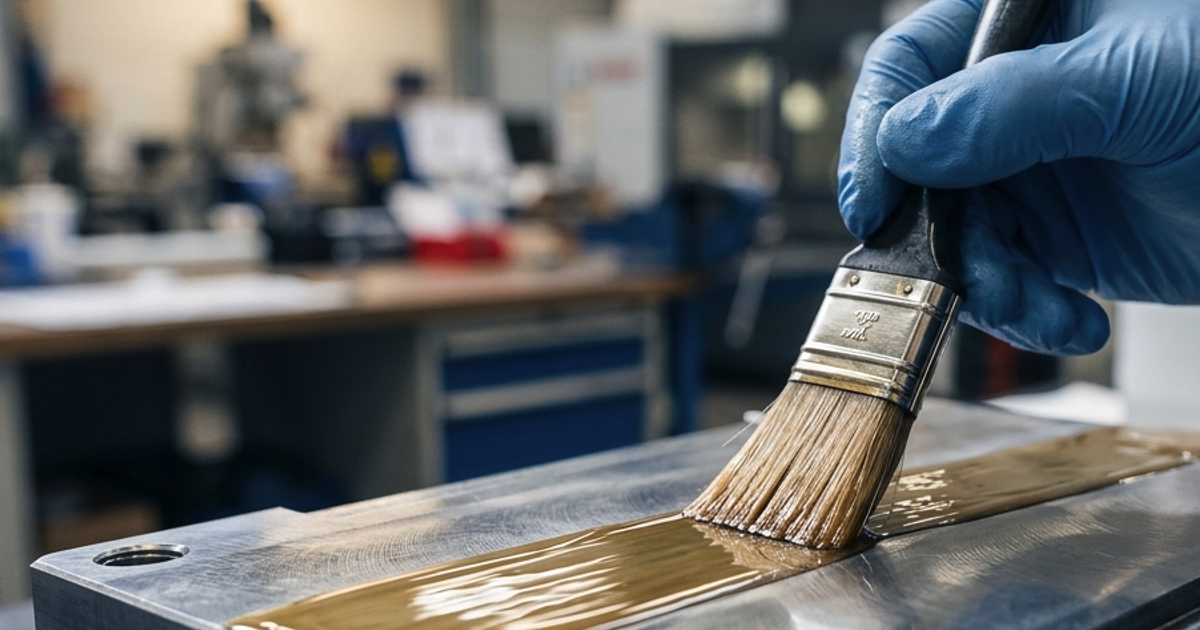
When peeling begins at the edges or corners of a surface and progresses inward, this is almost always a sign of inadequate surface penetration or improper edge sealing. On wood substrates in particular, end grain absorbs coating differently than face grain. If end grain surfaces were not given additional attention during application — either through a flood coat or brush-applied working of the product — edges become the weak point in the entire coating system.
With INSECO's WOOD Rx system, end grain sealing is a critical step. Failing to address it properly will almost always result in early edge failure, even when the field of the surface appears intact.
Intercoat Peeling
When the topcoat separates cleanly from the previous coat, leaving the underlying layer intact, the problem is intercoat adhesion rather than substrate adhesion. This pattern typically points to one of three causes: recoat timing was missed (either too early or too late), the previous coat was contaminated before the next was applied, or an incompatible product was introduced into the coating system.
This type of failure is particularly important to catch early, because it can spread laterally across large areas quickly once the bond between layers begins to release. If you are noticing this pattern on an existing project, consult the INSECO technical team before proceeding with any recoat to ensure the correct remediation steps are followed.
Full Substrate Delamination
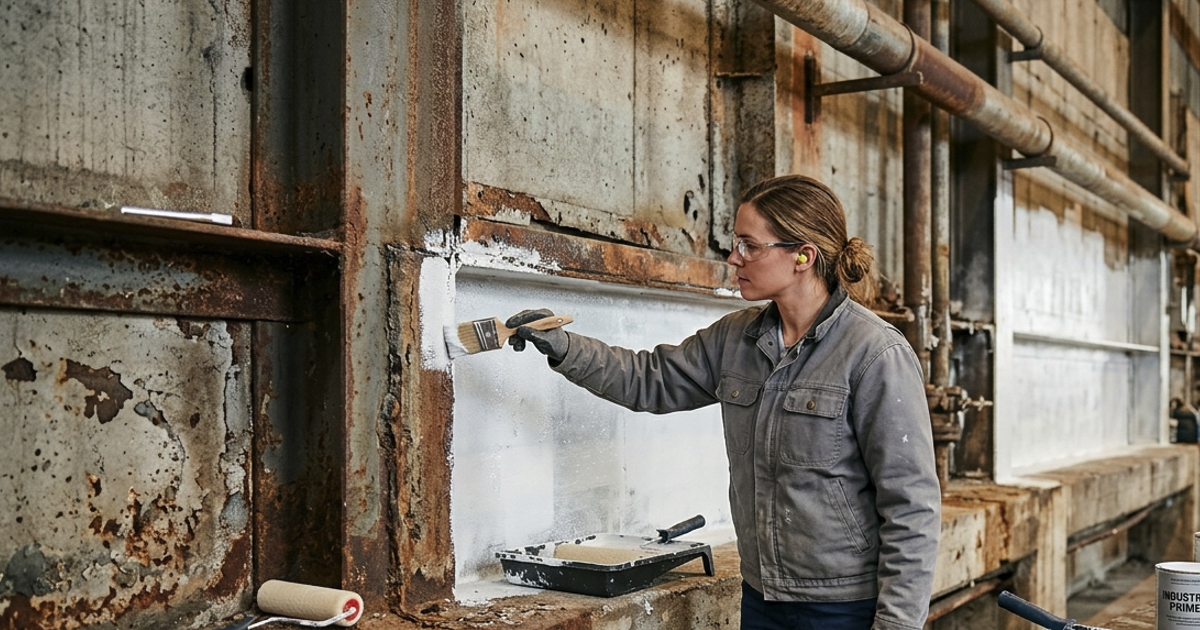
When the entire coating system lifts away from the substrate cleanly, the failure is at the substrate interface. This is the most fundamental type of adhesion failure and is almost always attributable to surface preparation deficiencies. Common causes include:
- Residual oils, waxes, or cleaning agents left on the surface prior to application
- Moisture content in the substrate that exceeded the acceptable threshold at time of application
- Existing coating that was not fully removed or properly prepared before overcoating
- Surface profiles that were too smooth to allow mechanical adhesion
- Application over a surface that was too hot due to direct sunlight exposure
Full substrate delamination is a clear sign that the surface was not ready to receive coating, regardless of how well the product itself was applied. Addressing this failure requires complete removal of the existing coating system and restarting the preparation process from scratch.
Discoloration and Cloudiness: Reading the Environmental Story
Discoloration failures are particularly common on horizontal surfaces and in climates with high humidity or significant temperature swings. These failures often appear after the coating has been on the surface for some time, making them easy to misattribute to product degradation rather than application conditions.
White Haze or Milky Cloudiness
A white or milky haze that develops in the film is one of the most recognizable signs of moisture entrapment. This occurs when moisture — either from the substrate itself, from ambient humidity, or from precipitation that contacted the surface before full cure — becomes trapped within the coating film during the drying and curing process.
On concrete and masonry substrates, this pattern is especially common when coatings are applied over substrates with active moisture vapor transmission. The vapor pushes through the substrate and into the film before the coating has fully cured, disrupting clarity and adhesion simultaneously. INSECO recommends performing moisture vapor emission testing on concrete substrates before applying any coating system, particularly in below-grade or shaded environments.
Uneven Yellowing or Browning
Yellowing that appears in certain areas of the surface but not others is typically a sign of differential UV exposure combined with coating that was applied at inconsistent film thicknesses. Areas receiving more direct sun exposure age more rapidly when the protective film is thinner in those zones. On wood substrates, this pattern can also indicate tannin migration from the wood itself, particularly on species with high extractive content such as cedar, redwood, or ipe.
When you notice this pattern, it is worth examining whether your application technique delivered consistent coverage across the entire surface, including the zones that receive the most sun exposure during peak hours.
Efflorescence Lifting Through the Coating
On concrete, brick, or natural stone surfaces, a white crystalline powder that pushes through or beneath a coating is efflorescence — water-soluble salts being driven to the surface by moisture movement within the substrate. This is not a coating failure in the traditional sense, but it is a failure of the preparation process to account for substrate moisture dynamics. Coatings applied over efflorescence-prone substrates without proper treatment will always eventually show this pattern.
Texture and Finish Defects: What the Surface Is Telling You About Your Technique
The final texture and sheen of a cured coating surface speaks directly to your application technique, environmental conditions during application, and product handling. Learning to read these defects precisely can save significant time and material on future projects.
Sandy or Rough Texture
A rough, sandpaper-like texture on a cured coating surface is almost always caused by one of two things: the coating dried too quickly on the surface before it could level properly, or the product was applied in dusty or windy conditions that deposited airborne particulates into the wet film. Both causes are preventable with proper scheduling and environmental controls.
On hot sunny days, INSECO recommends applying coatings in the early morning or late afternoon to avoid peak surface temperatures that accelerate surface dry and prevent proper leveling.
Fish Eyes or Craters in the Film
Fish eye defects — small circular depressions in the cured film that resemble craters — are caused by surface contamination that repels the coating during application. Silicone, oil, wax, or certain cleaning product residues are the most common culprits. The coating flows away from the contaminated area as it is applied, leaving an uncoated void in the finished film.
If you are seeing this pattern, it confirms that the surface cleaning and degreasing process was incomplete before application. This cannot be corrected by applying additional coats over the defect — the contamination must be removed before recoating.
Excessive Sheen or Mirror-Like Gloss in Low-Sheen Products
When a product specified as a satin or matte finish cures with an unexpectedly high gloss, the most common cause is excessive film build. Applying more product than the coverage rate specifies results in a thicker film that reflects light differently than the intended application. Always calculate your coverage area and product volume before starting to ensure you are applying within the specified range.
Using Failure Patterns as a Learning Tool for Future Applications
Every coating failure is a documented record of what happened during the application process. Rather than treating failures as frustrating setbacks, experienced coatings professionals treat them as diagnostic data that improves the quality of every subsequent project. Before any remediation work begins on a failed coating, take photographs of the failure patterns from multiple angles and distances. Document where on the surface each type of failure occurs. Note the substrate type, the application date, and the environmental conditions at time of application.
This documentation serves two purposes. First, it gives the INSECO technical team the information they need to provide precise, actionable guidance for remediation. Second, it becomes a personal reference library that helps you recognize the early signs of developing failures before they become major issues on future projects.
INSECO's technical assistance program is available to all customers — contractors and homeowners alike — because we understand that our products perform best when applicators have the knowledge to support them properly. If you are looking at a coating failure on an INSECO-coated surface and are unsure of the cause or the correct next step, reach out to our technical team directly. We are committed to helping you get to the root of the problem and get the surface performing the way it should.