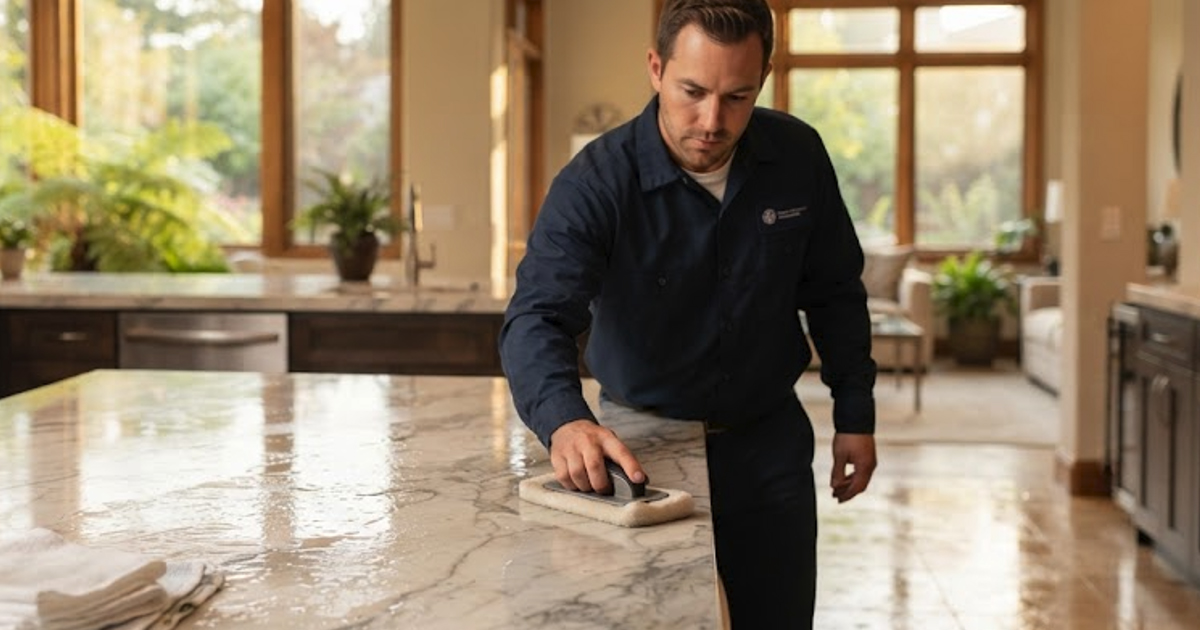





Many coatings businesses hit a plateau not because of market demand, pricing, or competition, but because the business outgrows the owner’s role faster than the owner adapts. What works when you are running jobs, managing crews, and making every decision yourself often becomes a bottleneck as the company scales. Sustainable growth requires a fundamental mindset shift from operator to leader.
In the coatings industry, where technical expertise is critical, this transition can be especially challenging. However, businesses that successfully make this shift position themselves for long-term stability, scalability, and profitability.
The Limits of Staying in the Operator Role
Operators are problem-solvers by nature. They know the products, the processes, and the jobsite realities better than anyone. In the early stages, this hands-on involvement is an advantage. As the business grows, though, being deeply involved in every decision limits the company’s ability to scale.
When owners remain trapped in day-to-day operations, strategic planning, team development, and process improvement often take a back seat. Growth stalls not because the business lacks opportunity, but because leadership capacity has not expanded alongside it.
Leadership Is About Building Capability, Not Control
Shifting into a leadership role means focusing less on doing the work and more on building the systems and people who do the work well. This includes establishing clear processes, setting performance expectations, and empowering teams to make informed decisions.
In the coatings industry, this doesn’t mean abandoning technical expertise. Instead, it means using that expertise to train, mentor, and standardize best practices so quality remains consistent even as volume increases.
Letting Go Without Losing Quality
One of the biggest fears business owners face is that delegating responsibility will lead to mistakes or reduced quality. The reality is that quality suffers more often when systems are unclear than when responsibility is shared.
Clear documentation, consistent training, and accountability structures allow leaders to step back from constant oversight while maintaining high standards. This creates room to focus on growth initiatives such as market expansion, new service offerings, and long-term partnerships.
Growth Requires Strategic Thinking Time
Leadership demands time away from the jobsite and daily problem-solving. Strategic thinking, financial planning, and performance analysis are essential for guiding the business forward. Without protected time for these activities, growth becomes reactive rather than intentional.
Companies that prioritize leadership development are better equipped to anticipate challenges, adapt to industry changes, and capitalize on opportunities before competitors do.
Final Thoughts
Growing a coatings business is not just about increasing revenue or adding services. It is about evolving the way the business is led. The transition from operator to leader is often uncomfortable, but it is a necessary step for companies that want to grow without burning out or sacrificing quality.
By focusing on leadership, systems, and people, coatings businesses can build a foundation that supports sustainable growth and long-term success.