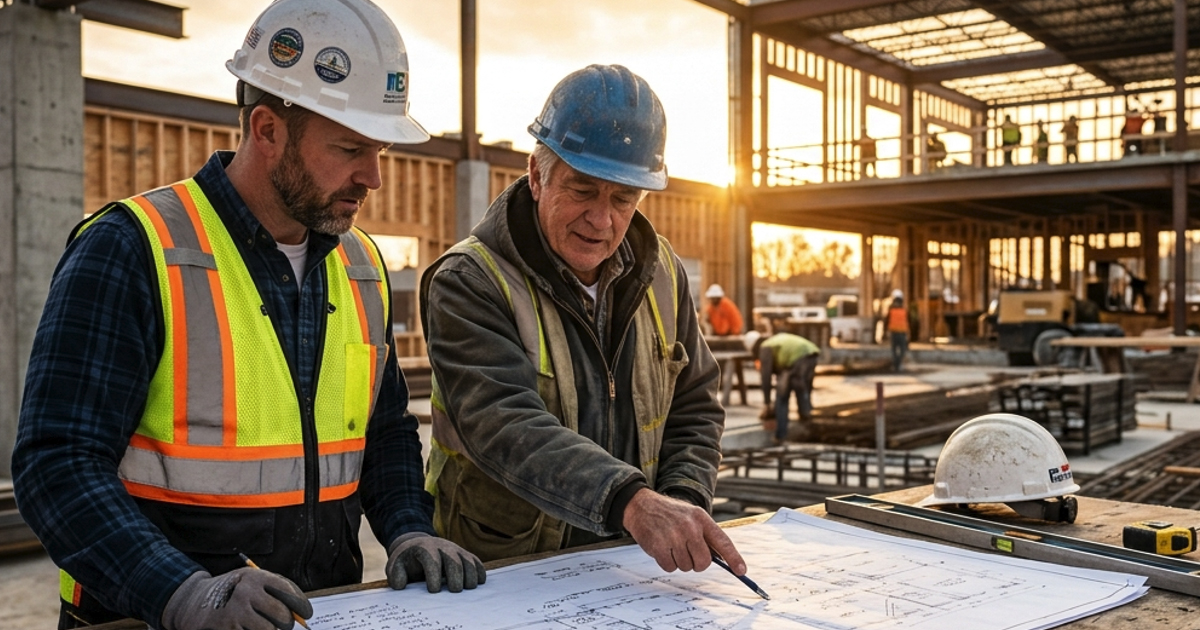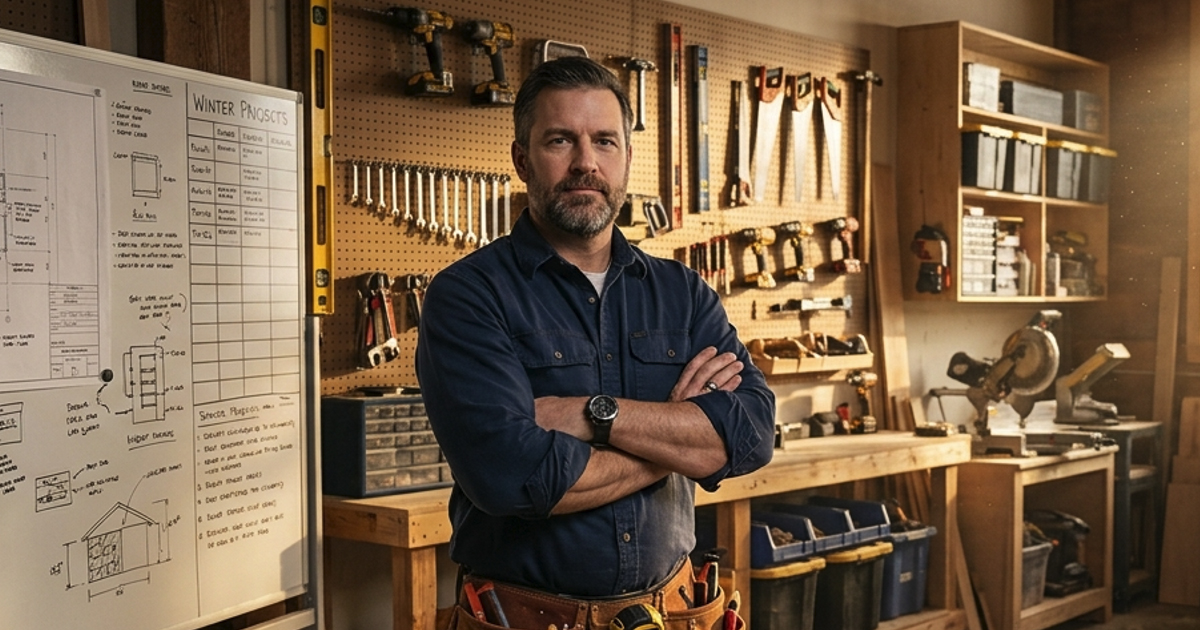





On a jobsite, most people assume success comes down to skill, experience, or even the quality of materials being used. But in reality, one of the most defining traits of elite contractors is not what they do with their hands—it’s how they communicate. The contractors who consistently outperform others are the ones who treat communication as part of the craft, not just a background task.
Why Communication Defines Jobsite Performance
Every project involves constant coordination between teams, timelines, and expectations. When communication is unclear or inconsistent, even highly skilled crews begin to lose efficiency.
Breakdowns typically show up as:
- Misaligned expectations between office and field teams
- Unclear scope interpretation during execution
- Delayed decision-making on-site
- Rework caused by missing or incomplete information
These issues rarely stem from lack of ability—they stem from lack of structure.
The Contractors Who Eliminate Guesswork
The best contractors don’t rely on assumptions. They build systems that remove uncertainty before it reaches the field.
Their approach typically includes:
- Clearly defined scopes before work begins
- Written job instructions instead of verbal handoffs
- Standardized daily updates from crews
- Consistent documentation across every project phase
This level of structure creates predictability, even on complex jobs.
How Communication Impacts Quality and Profitability
Poor communication doesn’t just slow projects down—it directly affects results. When crews are forced to interpret unclear instructions, quality becomes inconsistent and productivity drops.
The most common downstream effects include:
- Increased material waste from corrections or rework
- Slower production rates due to clarification delays
- Higher labor costs from extended timelines
- Reduced client satisfaction due to inconsistent execution
In contrast, strong communication systems allow crews to focus entirely on execution.
Pro Tips for Contractors Who Want to Operate at a Higher Level
Elite contractors treat communication like a controlled system, not an informal habit. Small improvements here create major gains in performance.
Standardize Every Job Start
- Use a consistent kickoff process for all projects
- Ensure scope, materials, and expectations are clearly documented
- Confirm understanding across all teams before mobilization
Create a Clear Information Flow
- Centralize job details in one accessible system
- Eliminate scattered texts, calls, and fragmented instructions
- Make sure updates are visible to everyone involved
Build Accountability Into Communication
- Require daily progress updates from field teams
- Track decisions and changes in writing
- Assign responsibility for communication checkpoints
Eliminate Assumptions at Every Level
- Encourage teams to ask before acting when unsure
- Reinforce clarity over speed when decisions impact quality
- Treat missing information as a risk, not a minor inconvenience
Why the Best Contractors Treat Communication Like a Skill
The top performers in the industry understand that communication is not separate from execution—it is part of execution. A well-executed project starts long before materials are applied; it starts with clarity.
When communication is strong:
- Projects run more predictably
- Teams operate with more confidence
- Quality becomes consistent across jobs
- Clients experience fewer surprises
The INSECO Perspective on High-Performance Contractors
At INSECO INC., we see it consistently—contractors who scale successfully are not just better applicators; they are better organizers of information. Communication becomes the backbone that supports every technical decision on the jobsite.
The contractors who master this don’t just complete projects. They build reputations that compound over time, because every job is executed with clarity, control, and consistency from start to finish.